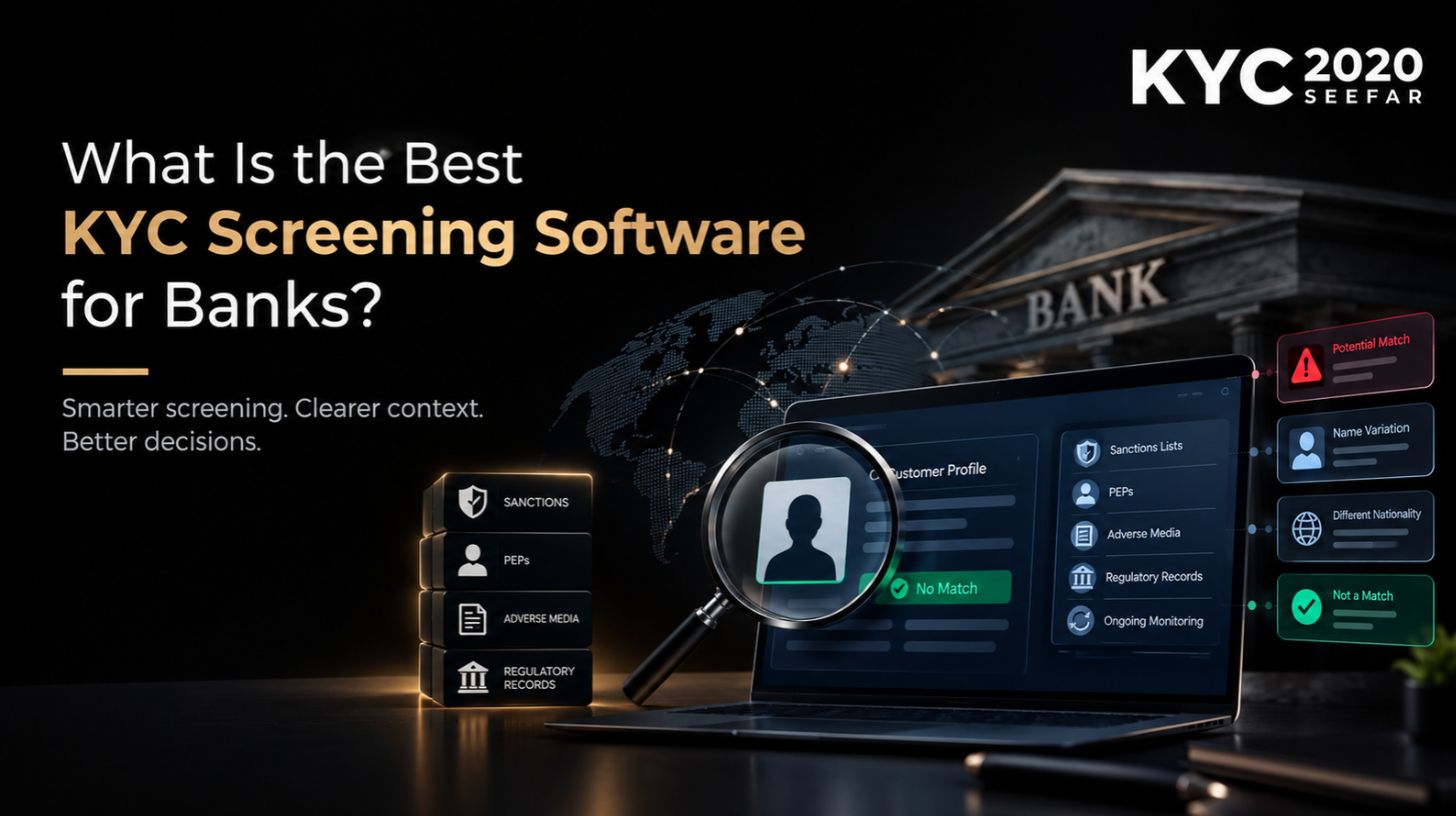
A bank screens a customer during onboarding and clears the name. Weeks later, a sanctions list changes, or new information raises concerns about the customer. If screening stopped at account opening, the original decision may no longer reflect the current…
AML/CFT Compliance
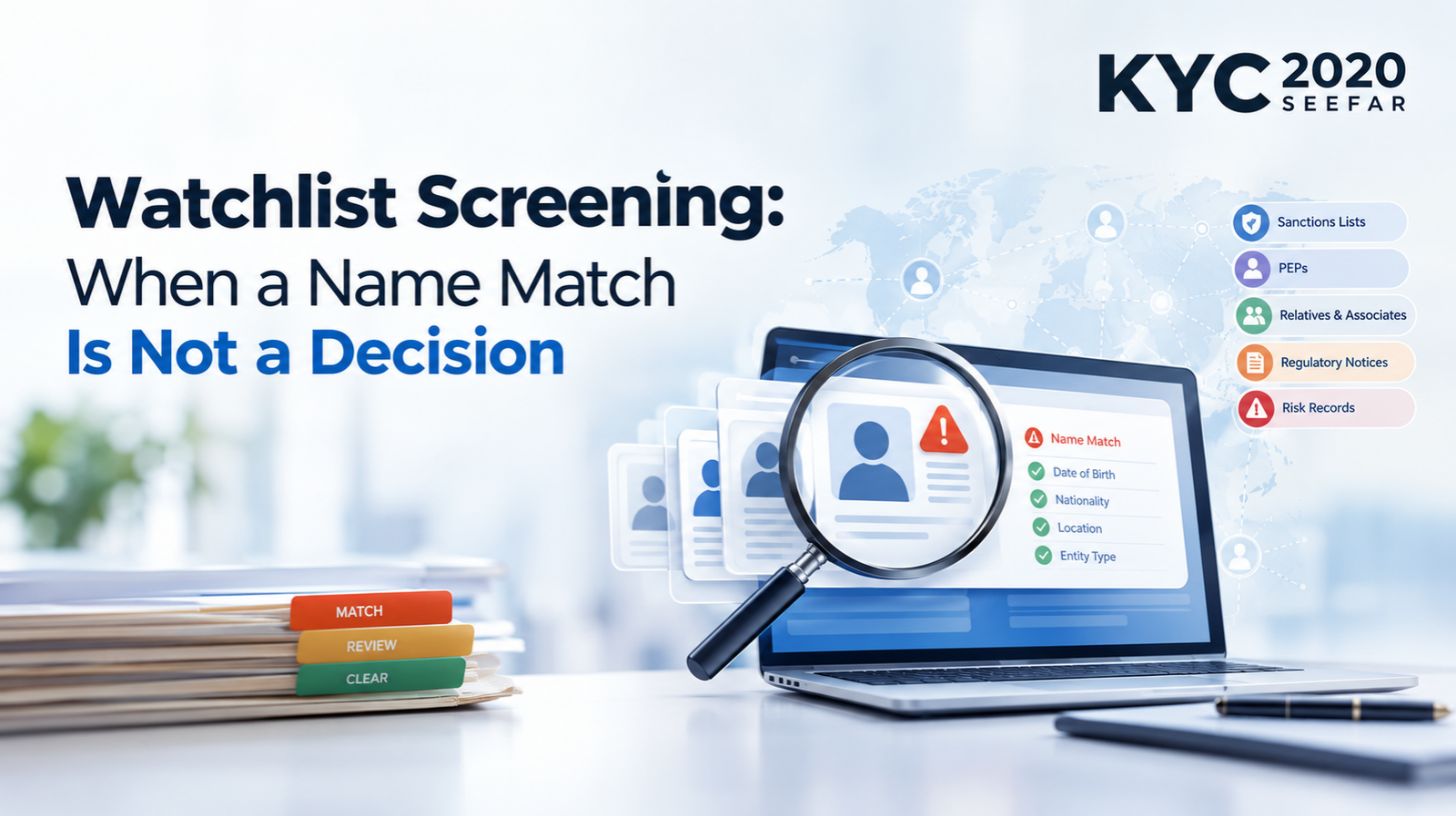
Watchlist Screening: When a Name Match Is Not a Decision
A customer’s name matches a sanctions record. The system raises an alert, but the date of birth differs, and the listed person lives elsewhere. The analyst reviews the available identifiers and supporting evidence before determining whether the alert can be…
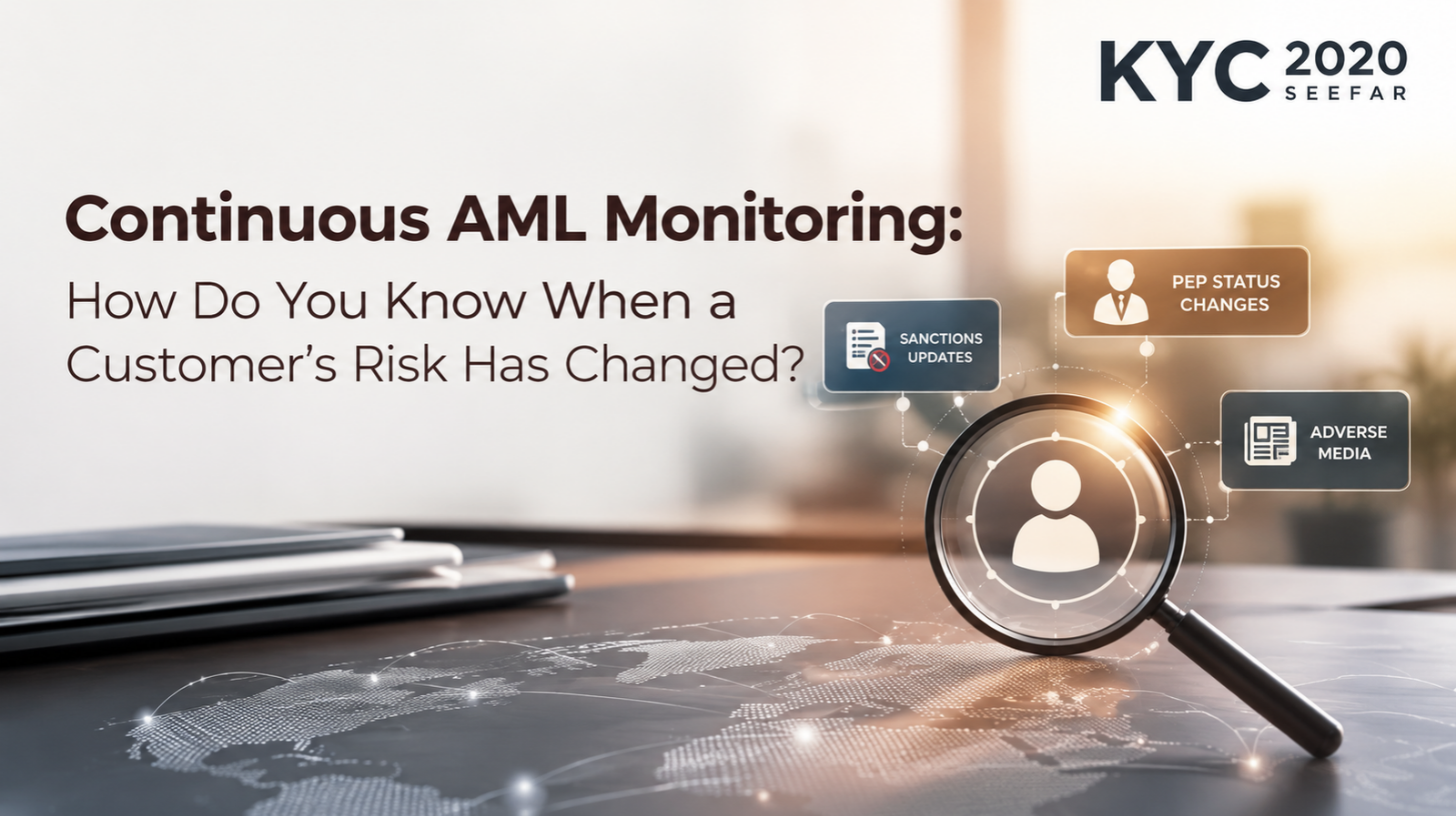
Continuous AML Monitoring: How Do You Know When a Customer’s Risk Has Changed?
A customer passes screening on Monday. Three weeks later, a sanctions list is updated, the customer takes on a prominent public role, or new reporting links the person to a financial crime investigation. The original screening result may have been…
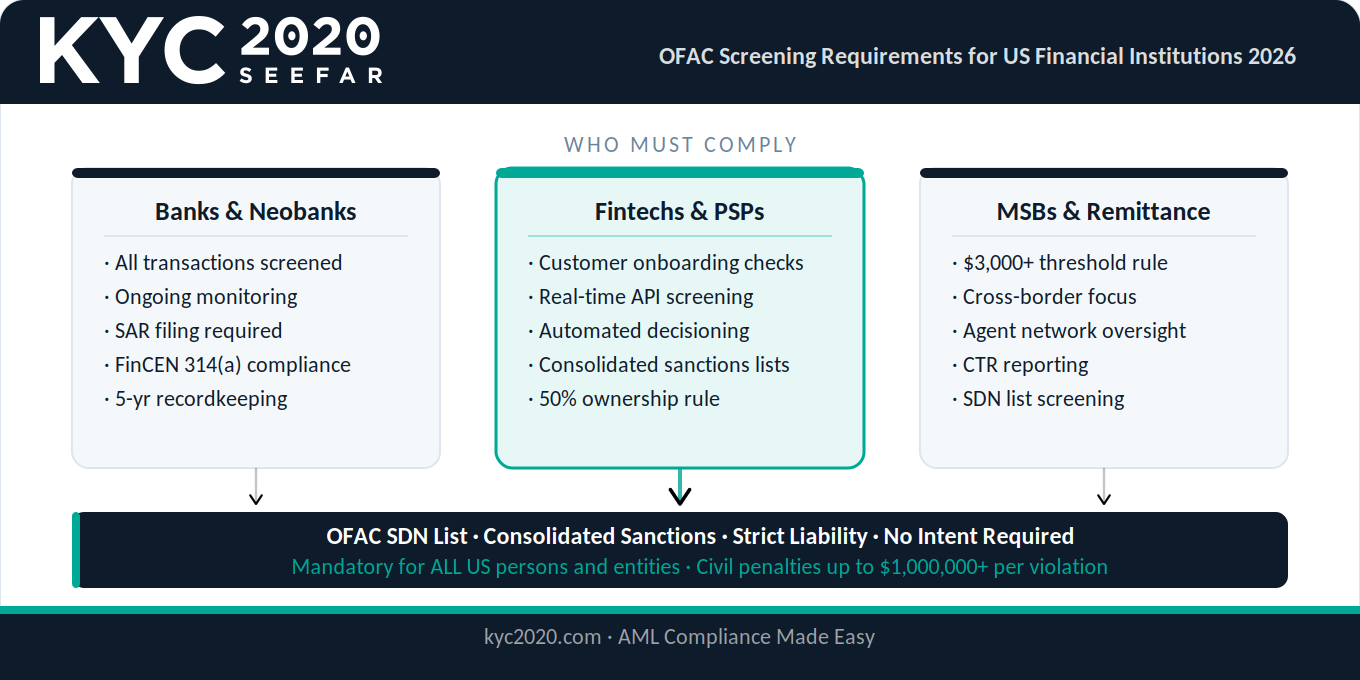
OFAC Screening Requirements for US Financial Institutions 2026
AML false positives cost compliance teams thousands of hours every year. Learn 5 proven ways to reduce false positives in sanctions screening — with real results from KYC2020 customers.
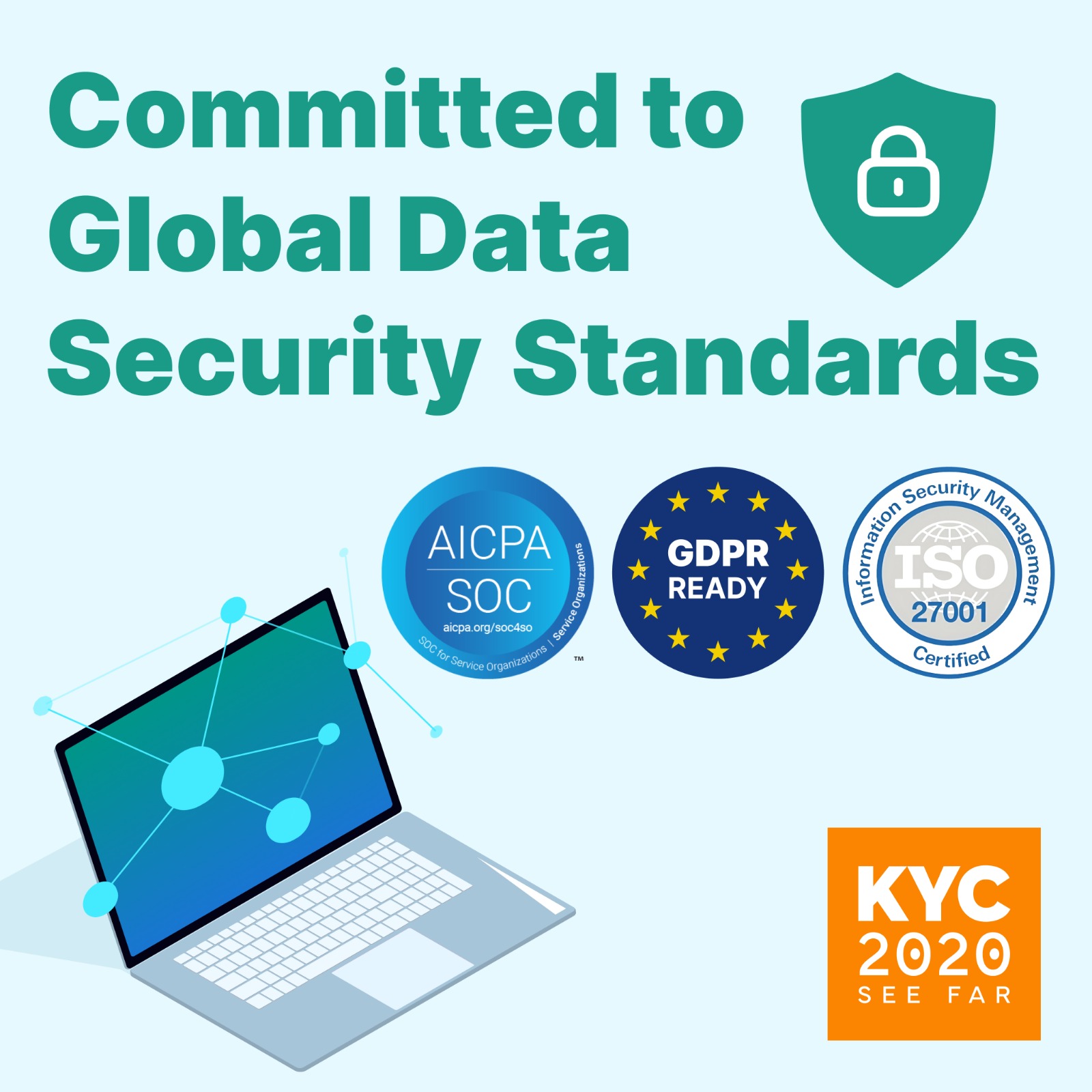
Data Privacy and Security at KYC2020: Built In, Not Bolted On
AML compliance isn’t just about getting the risk signals right. It’s also about handling sensitive data with the same care you bring to financial crime detection. At KYC2020, we treat data privacy and security not as checklist items. Instead, we…
Why You Should Automate AML Compliance With AI
As the financial industry becomes increasingly interconnected yet complex, the fight against money laundering has become a primary concern for regulatory authorities and financial institutions. To overcome this illegal activity effectively, many organizations started using cutting-edge technologies such as Artificial…
What is an AML compliance Program? Best Practices for Anti-Money Laundering
Money laundering has become a pervasive concern in an era of technological advancements and global financial transactions. Criminal organizations and individuals constantly seek ways to legitimize their illicit funds, posing a threat to the integrity of financial institutions worldwide. Financial…
Exploring the Role of Ongoing Monitoring in AML Compliance
In today’s rapidly evolving financial landscape, the fight against money laundering has become more crucial than ever before. To safeguard the integrity of the global financial system, financial institutions are increasingly turning to anti-money laundering – AML compliance measures. However,…
An Overview of Anti-Money Laundering(AML) Best Practices
Money laundering is a serious crime, and it can have devastating effects on both businesses and society as a whole. As such, it’s important for financial institutions and Fintech companies to have solid anti-money laundering (AML) best practices in place.…
AML Compliance & It’s Importance
Anti-Money Laundering (AML) compliance is an important element of any business and is a set of procedures and regulations designed to prevent money laundering and other illegal activities, but it can be particularly complex for financial institutions. Financial institutions must…