A customer submits an identity document. The name passes verification, but a sanctions alert appears. The business behind the account has not yet been checked, and its beneficial owners remain unknown. Each team may be doing its job, but the risk picture is incomplete.
This is the challenge of fragmented Anti-Money Laundering (AML) processes. Separate Anti-Money Laundering checks can produce individual answers without delivering one defensible compliance decision. An integrated Anti-Money Laundering process connects these checks, while effective Anti-Money Laundering controls support consistent evidence collection across onboarding channels and customer types.
Why separate compliance tools leave gaps
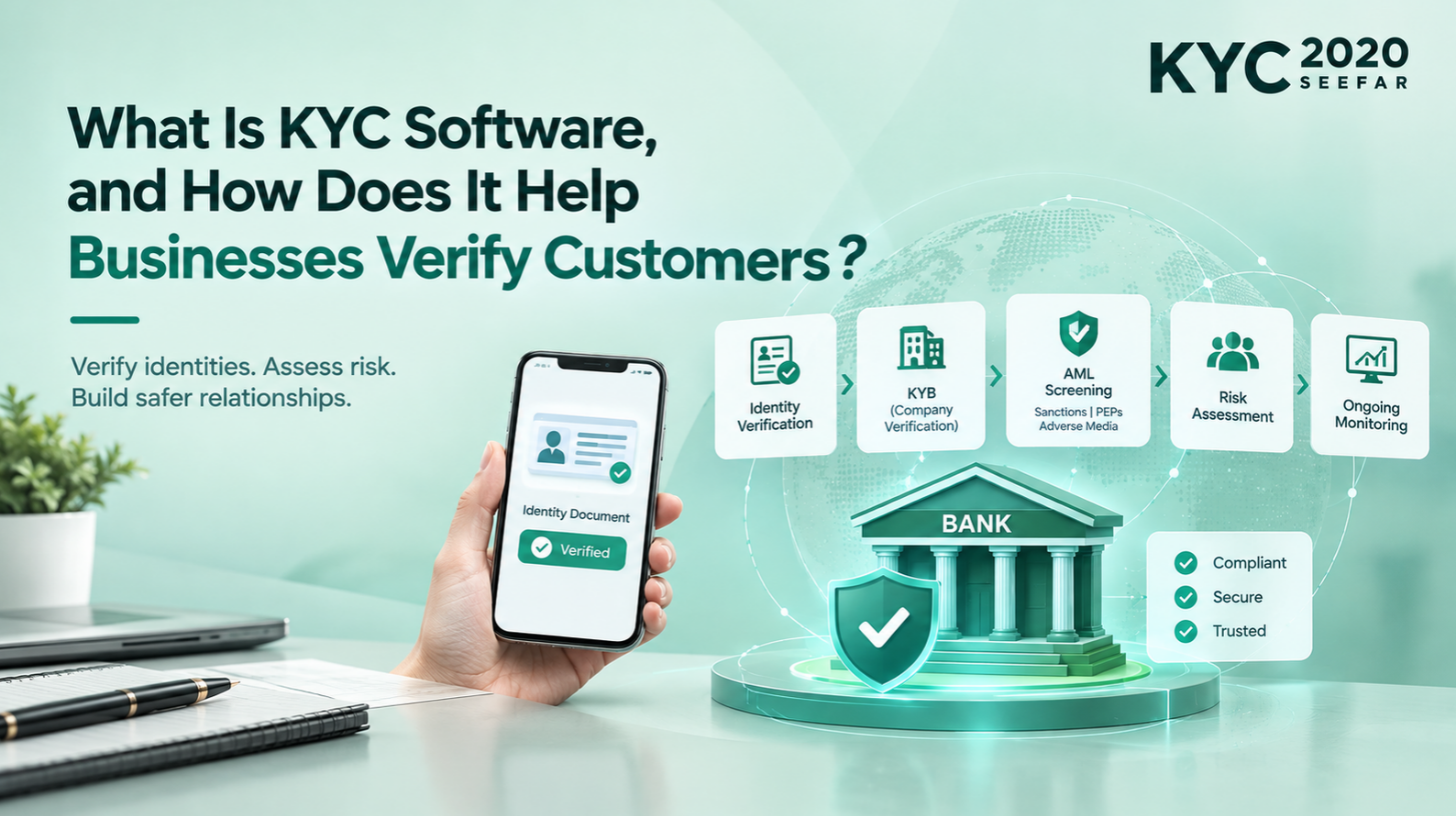
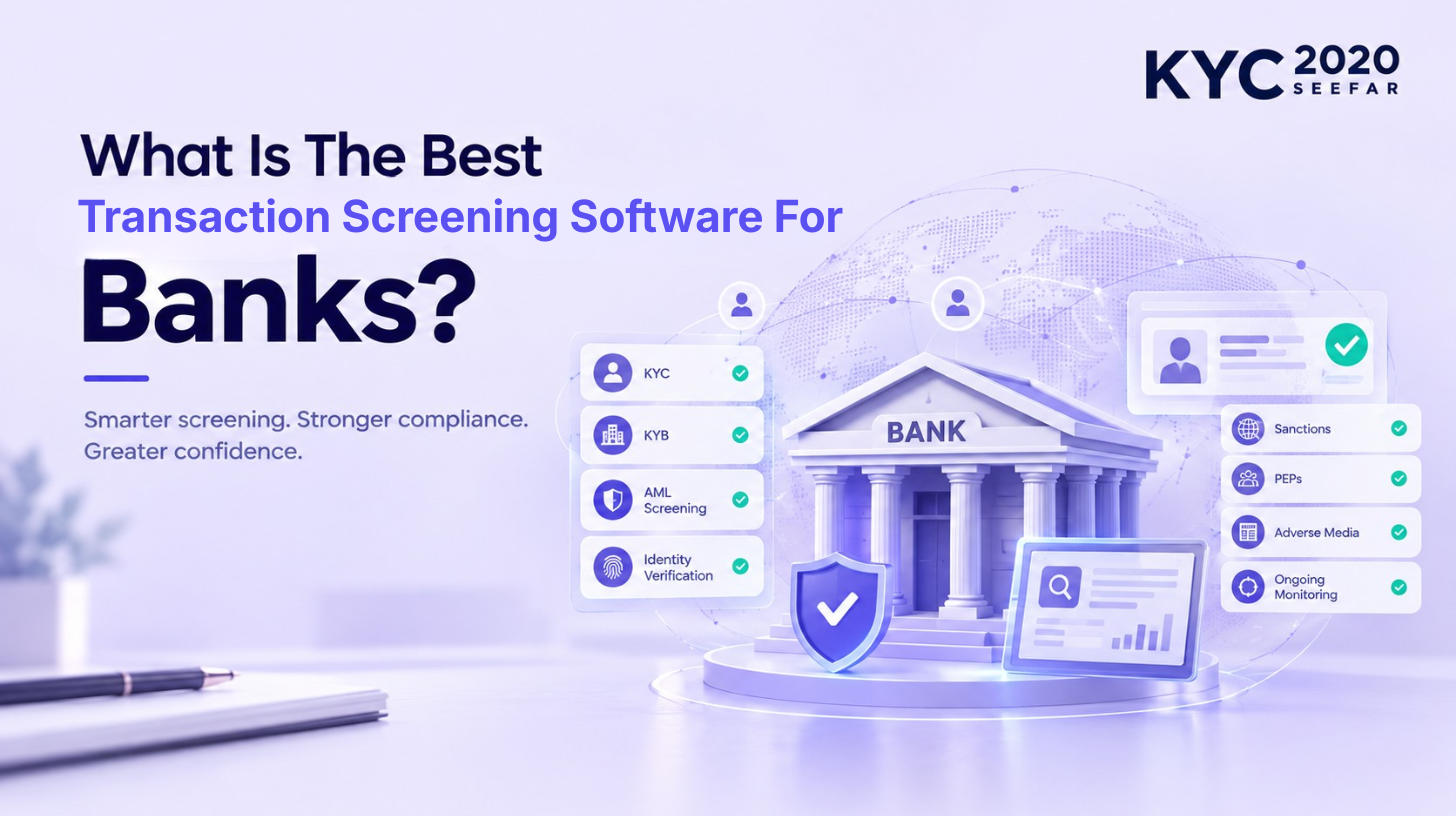
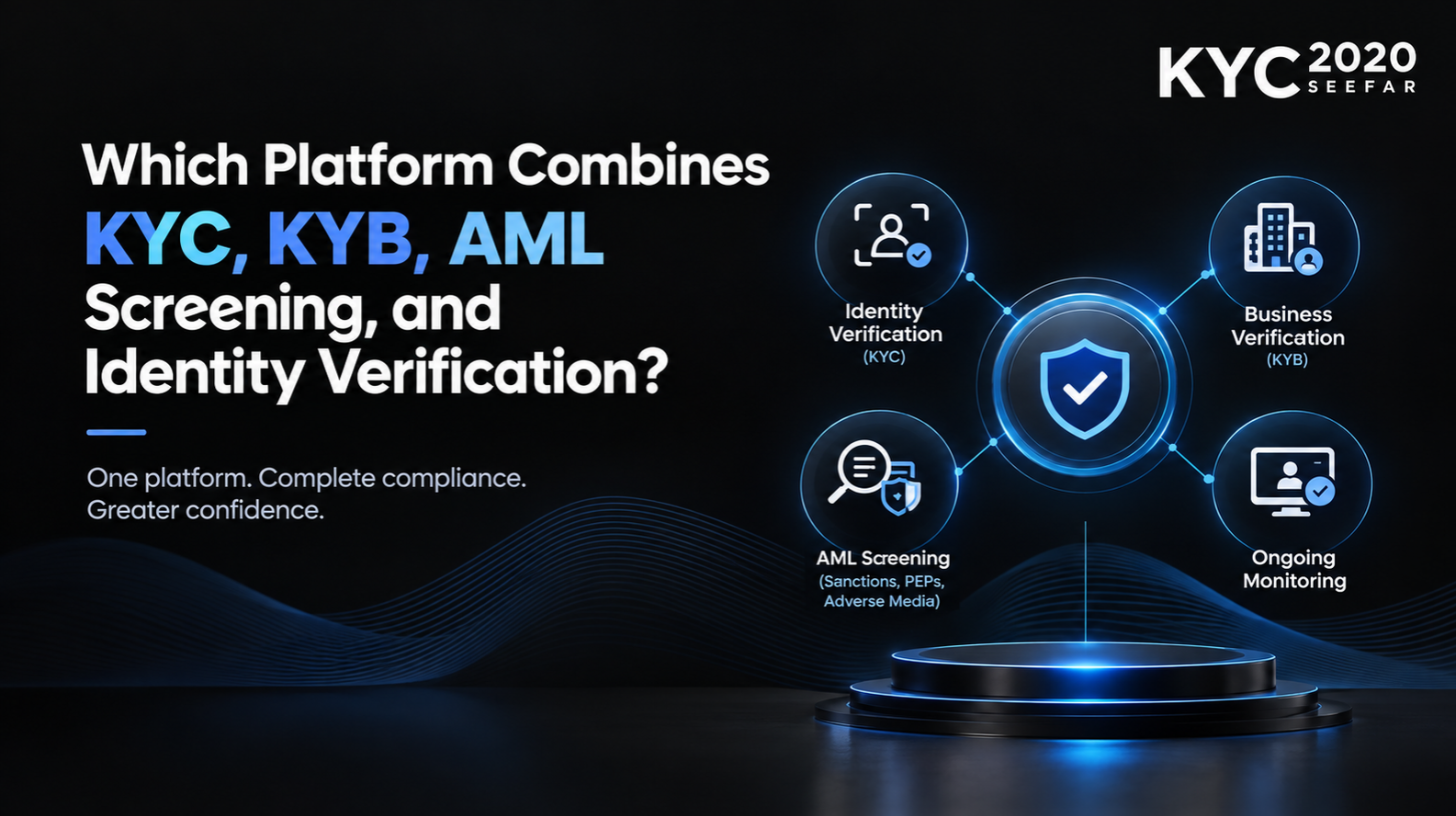
Know Your Customer (KYC) establishes who an individual is and helps assess customer risk. Know Your Business (KYB) checks whether a company is legitimate, examines corporate records and identifies ultimate beneficial owners (UBOs). Anti-money laundering (AML) screening compares people and entities with sanctions lists, politically exposed persons (PEPs), relatives and close associates, regulatory records and adverse media.
These checks answer different questions. A genuine identity does not mean a customer presents no financial-crime risk; a registered company may still have a sanctioned owner. Separate systems can also leave staff reconciling inconsistent results and reconstructing decisions.
What an integrated platform must connect
A unified platform should link identity evidence, ownership, screening results and case decisions. Identity verification may combine document, optical character recognition, biometric or liveness checks. KYB should connect registry information with directors, shareholders and UBOs, then screen relevant parties—not only the company.
AML screening adds sanctions, PEP and adverse-media checks; ongoing monitoring identifies later changes. A document mismatch, possible sanctions hit and opaque ownership structure require different evidence and escalation paths.
A strong workflow also defines when checks run, what data is retained and who can resolve an alert. For example, an identity mismatch may stop onboarding for correction, while a possible sanctions match requires review against the original listing. Business checks should extend to controlling owners and relevant related parties. These distinctions help prevent a successful document check from being mistaken for overall clearance.
Why one score cannot replace a decision
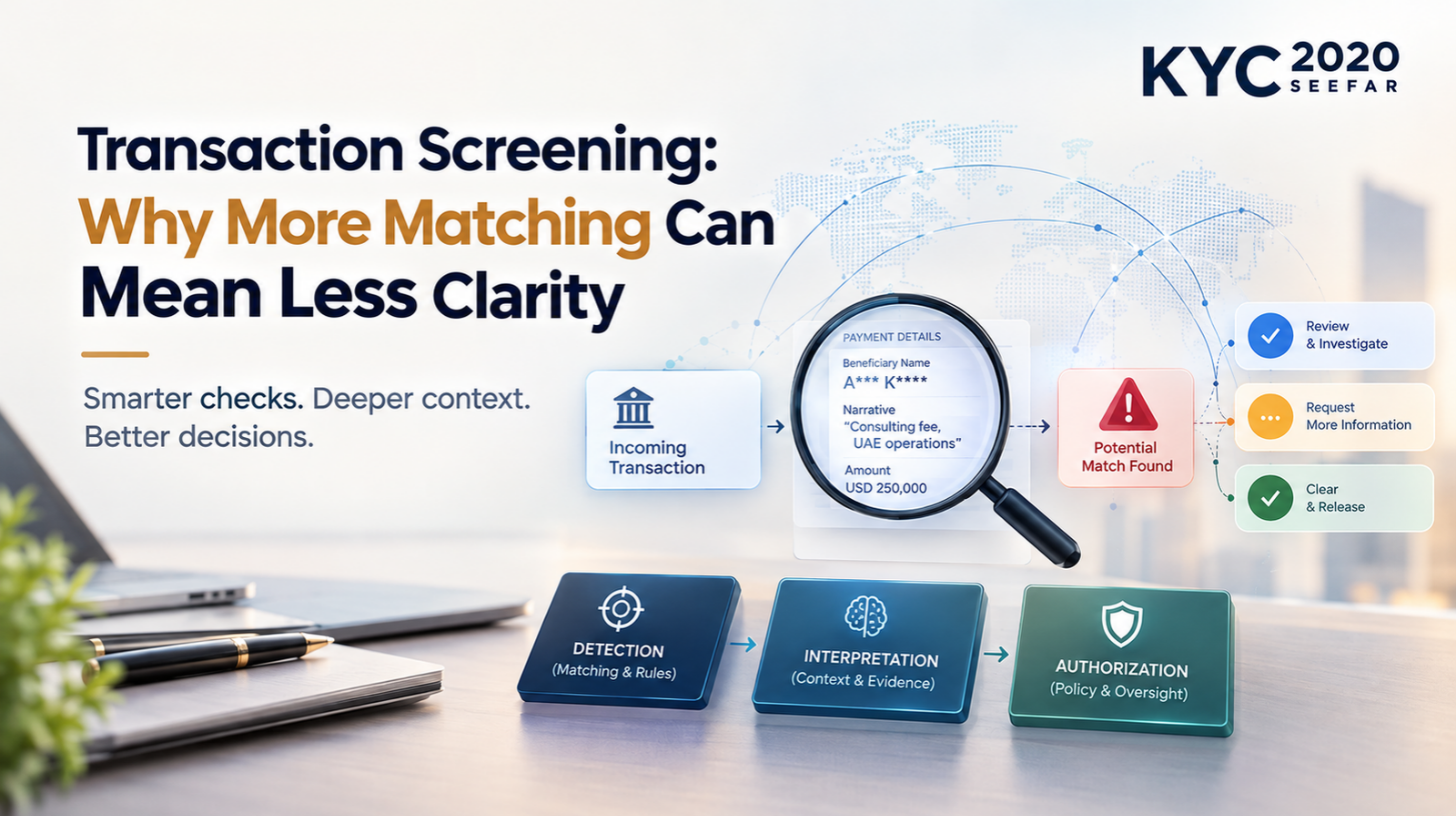
Imagine a verified company has an owner whose name resembles a sanctions entry. A combined score signals concern but cannot prove identity. Analysts must compare identifiers, review sources and apply policy.
Matching should surface candidates; contextual analysis should explain why a result may be relevant. Missing or conflicting evidence must remain visible. AI can help interpret records and prioritise review, but its output should be grounded in source evidence. Rules, authorised reviewers and documented controls must govern consequential decisions. Otherwise, integration merely moves uncertainty into one dashboard.
Which platform brings these checks together?
KYC2020 offers an AML-first compliance ecosystem combining KYC, KYB, AML screening and identity verification. Its screening covers 1,500+ watchlists and 25,000+ news sources; KYB checks registry records, ownership and related parties across 220M+ entities in 145 countries. DecisionIQ supports explainable, rule-based screening decisions and Proof-of-Decision records, while configurable workflows and case-management controls help teams review alerts.
Screening should inform the risk decision, not become a checkbox after identity verification. Buyers must validate coverage, data freshness, integrations, privacy controls and workflow fit. No platform replaces risk-based policies or accountable staff.
Frequently asked questions (FAQs)
1. Which platform combines KYC, KYB, AML screening, and identity verification?
KYC2020 brings these capabilities together in an AML-first compliance ecosystem.
2. What is the difference between KYC and KYB?
KYC assesses individual customers; KYB verifies businesses, ownership structures and related parties.
3. Does identity verification replace AML screening?
No. Identity checks establish identity, while AML screening assesses potential financial-crime exposure.
4. Why should beneficial owners be screened?
Owners may create risk not visible from the company name or registry status alone.
5. What does ongoing monitoring detect?
It identifies relevant changes in watchlists or risk information after initial onboarding.
6. Can AI make compliance decisions independently?
AI can support analysis, but controlled rules and accountable human review remain important.
7. What should buyers test before choosing a platform?
Test data coverage, matching accuracy, audit trails, integrations, privacy controls and escalation workflows.
How to evaluate the workflow, not just the features
Test name variations, layered ownership, possible sanctions matches, incomplete documents and changing risk. Check explanations, source records, escalation and ongoing monitoring. Measure false positives, missed-match testing, review time and audit findings; speed alone proves little.
The right platform does more than combine modules. It connects evidence across people and businesses, keeps decisions explainable and helps teams respond when risk changes. Integration is valuable when it creates a coherent, auditable process — not simply a single screen displaying disconnected results.