A customer passes onboarding checks. Months later, payments move through newly opened accounts before leaving the country in amounts just below a reporting threshold. Each transfer looks ordinary alone. Together, they may tell a different story.
Suspicious activity rarely arrives labelled as suspicious. It emerges through relationships, timing, behaviour and context. Effective controls must connect these signals without treating every unusual transaction as evidence of wrongdoing.
Where Anti-Money Laundering Controls Can Fail
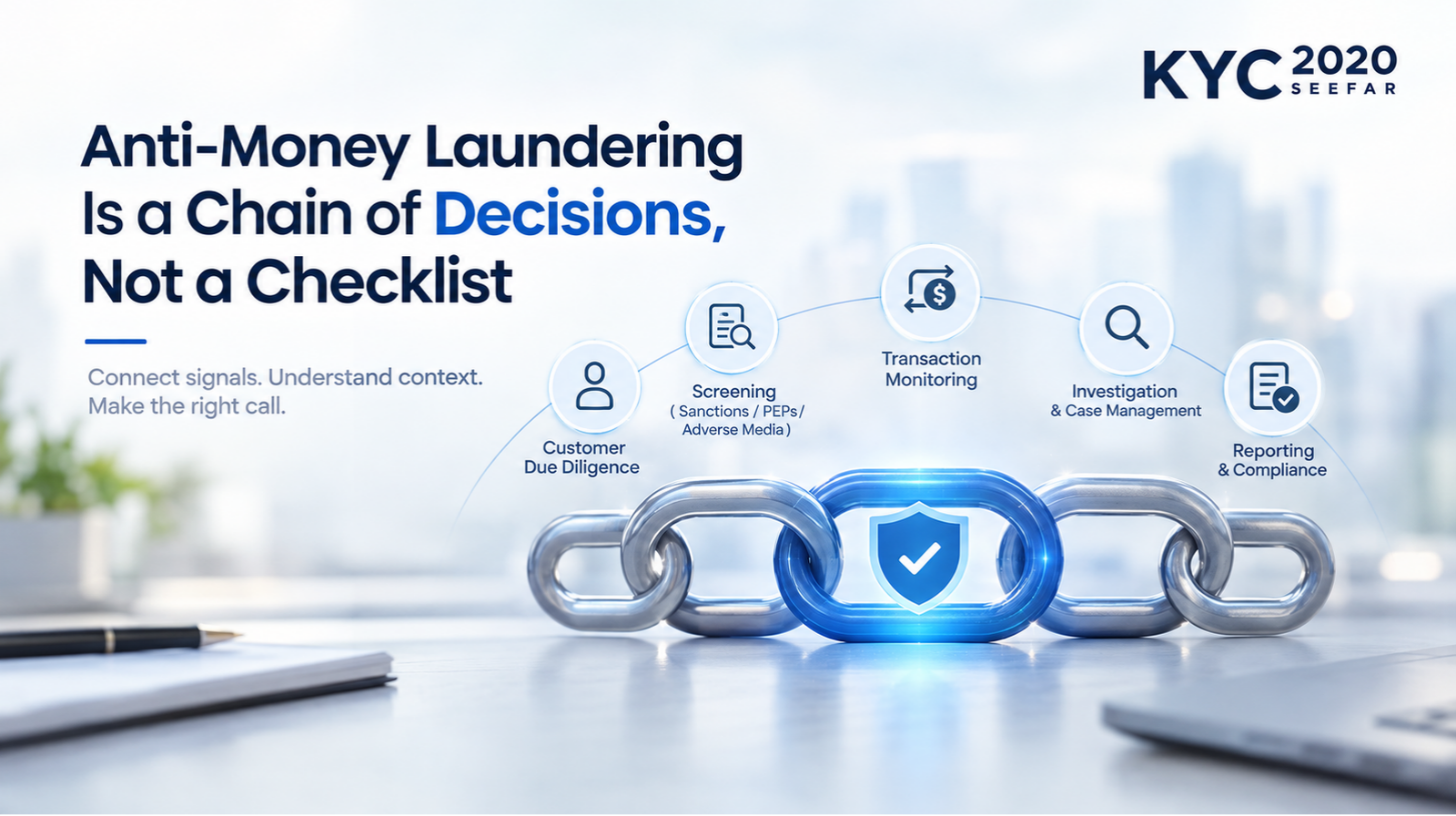
An effective anti-money laundering program combines customer due diligence, sanctions and politically exposed person (PEP) screening, transaction monitoring, investigation procedures and reporting obligations.
Customer due diligence establishes who the customer is, who ultimately owns a business, and whether expected activity makes sense. Screening identifies potential links to sanctions, PEPs or adverse media. Transaction monitoring examines patterns that may conflict with a customer profile or indicate known risk typologies.
Problems arise when these steps operate as disconnected checkpoints. A customer may pass onboarding while later activity diverges from the expected profile. If investigators cannot see earlier screening results or reliable customer data, context can be missed.
Why One Unusual Transaction Proves Very Little
Consider a business that receives domestic payments. Over weeks, it starts receiving funds from unrelated parties, transfers most of the money onward within hours, and gives explanations that do not fit its business model.
None of these details alone proves money laundering. Fast transfers may be legitimate; new counterparties may reflect growth. But the combination, frequency and departure from expected behaviour may justify closer examination.
Rules can identify measurable patterns, such as rapid movement of funds, unusual volumes or activity involving higher-risk jurisdictions. Yet rigid thresholds generate false positives when legitimate customers behave differently from assumptions built into a rule. Thresholds set too high can miss activity just below them.
The answer is not to remove rules, but to assess signals in context. Customer type, transaction history, counterparties, geography, stated purpose and linked accounts help investigators decide whether a pattern is explainable, needs more information or merits escalation.
Connect Detection to Investigation
An alert is only the beginning. Investigators need a view of transactions, customer profile, beneficial ownership, screening results and previous decisions. Without that context, they may repeat work or close alerts individually without recognising a wider pattern.
Effective case management links related alerts, records decision rationale, assigns responsibility and tracks outstanding questions. A risk score can prioritise work, but cannot replace a documented assessment.
Where information remains incomplete or contradictory, the case should be escalated under procedures. If suspicion reaches the applicable legal threshold, the organisation must follow its jurisdiction’s reporting requirements. Obligations and timelines vary, so teams need policies and trained decision-makers, not assumptions embedded in software.
Use Automation Without Losing Accountability
Automation can enrich customer records, compare names against watchlists, identify unusual patterns and route cases. Contextual AI may summarise complex records or explain why signals appear related. Its explanations must be checked against source evidence; plausible language is not proof.
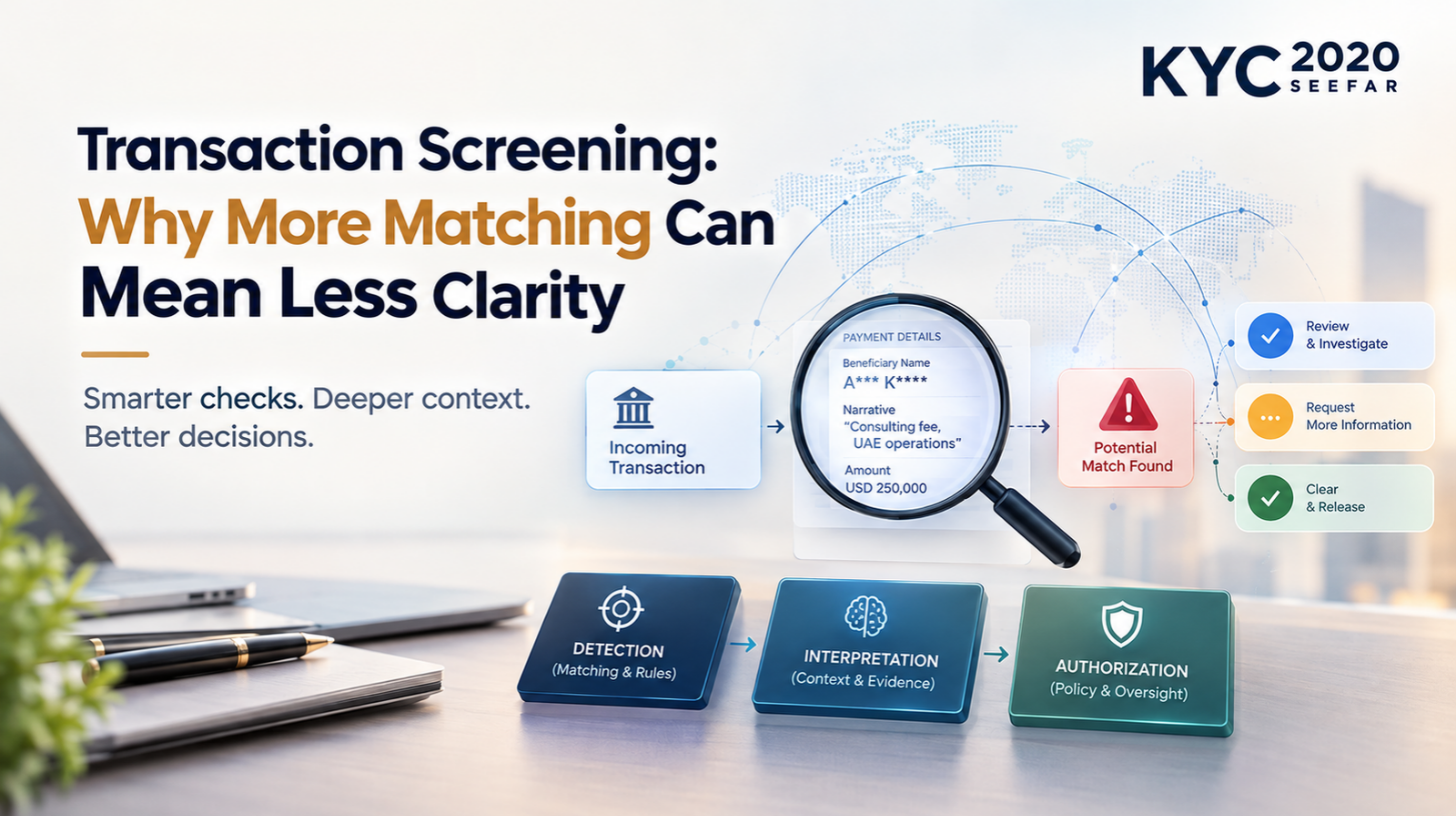
A defensible workflow keeps roles clear. Detection systems surface potential risk. Analysts evaluate evidence and alternative explanations. Authorised personnel make decisions under documented policy, while systems preserve data, rules, reasoning, timestamps and approvals needed to reconstruct the case.
Quality also depends on feedback. When investigators repeatedly find that alerts reflect legitimate activity, teams should examine poorly calibrated rules, incomplete data or risk scenarios needing refinement. Changes must be tested so reducing unnecessary alerts does not weaken detection.
Measure Whether the Program Works
Alert volume alone is a poor measure of effectiveness. Teams should monitor false-positive rates, investigation time, overdue cases, escalation quality, data completeness, reporting timeliness and scenario-testing results. They should test whether controls detect known risk patterns as products, customer behaviour and threats change.
Metrics must be interpreted together and reviewed against the institution’s risk profile.
From Signals To Defensible Action
KYC2020 brings screening and monitoring capabilities into compliance workflows, helping organisations assess risk information and manage alerts. Technology is most useful when it supports the full process: identifying a signal, connecting it to reliable evidence, enabling consistent review and recording the outcome.
The objective is not to automate suspicion or eliminate human judgement. It is to make patterns easier to recognise and decisions easier to explain. Strong financial crime controls depend on connected data, proportionate rules, thoughtful investigation and accountability. A transaction may raise a question; only a disciplined process can determine what it means and what should happen next.