A payment may stop when a customer’s name resembles an entry on a sanctions list. The analyst checks the record and finds a different date of birth. As a result, the analyst clears the alert, but similar cases remain in the queue. Meanwhile, a genuine match may still need urgent attention.
This creates a key operational challenge: teams must detect relevant risks without treating every name similarity as a compliance decision.
What sanctions screening software must get right
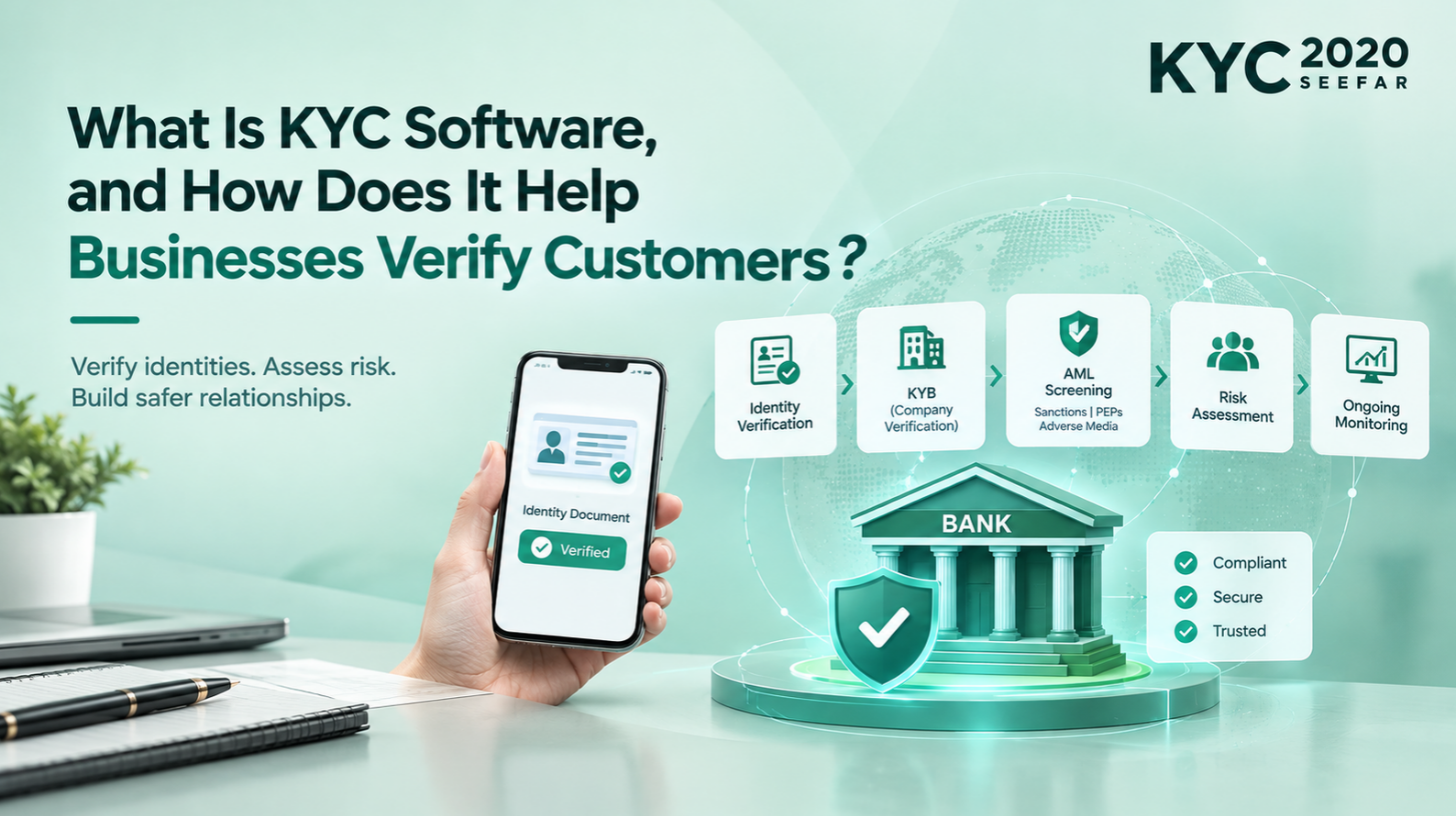
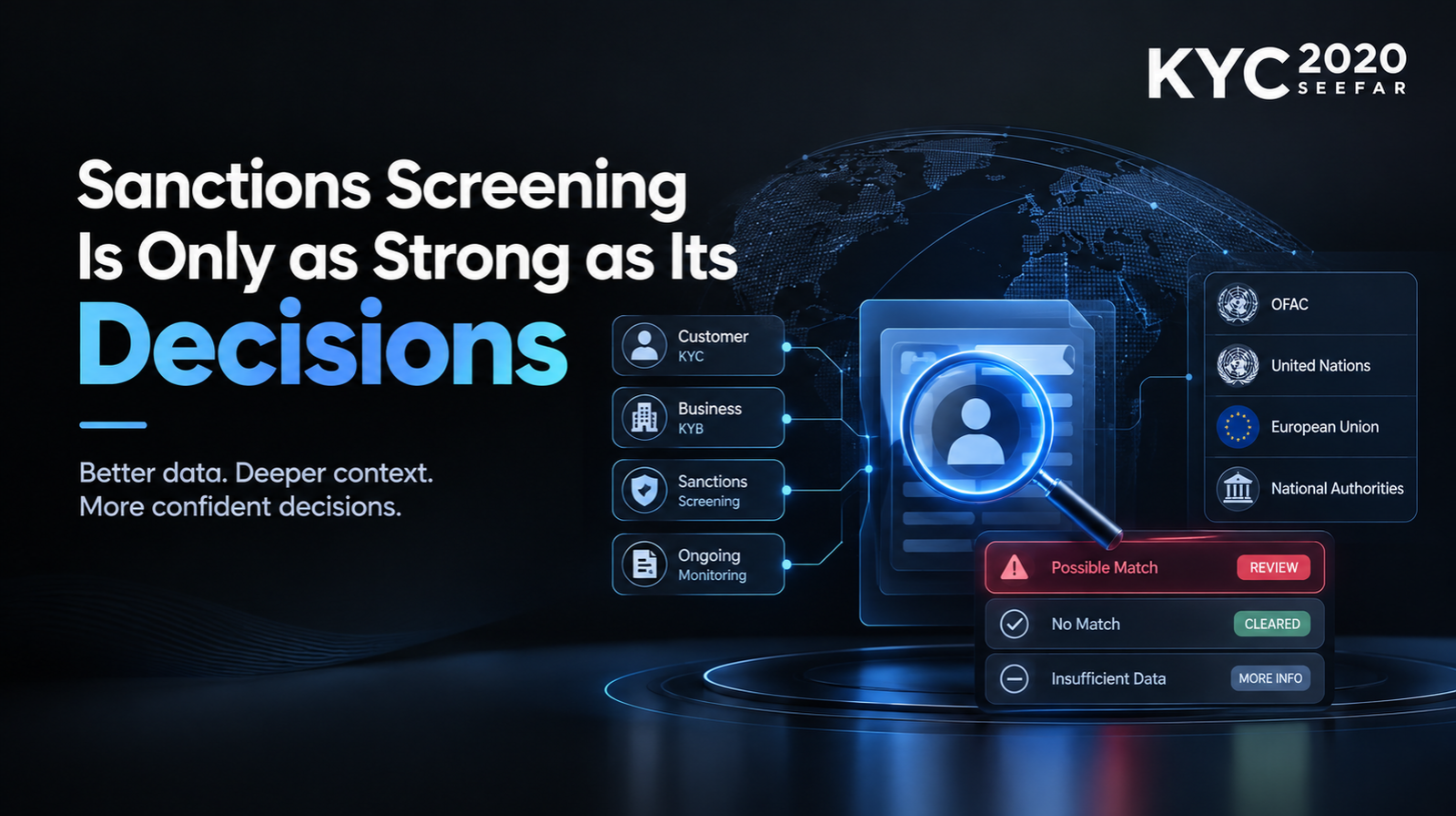
Sanctions screening software checks customers, beneficial owners, counterparties, and transactions against relevant sanctions lists. For example, these lists may come from OFAC, the United Nations, the European Union, and national authorities. However, each institution must choose the lists that fit its jurisdictions, activities, customers, and legal obligations.
List coverage alone is not enough. For instance, names may appear in different scripts, transliterations, or word orders. Records may also include aliases, incomplete birth dates, old addresses, or inconsistent company details. Therefore, exact matching may miss a listed party whose name appears differently. On the other hand, broad fuzzy matching can flood analysts with unrelated results.
Effective screening uses configurable matching rules to flag possible matches. It then helps reviewers compare key identifiers and source details. However, a similarity score only signals that someone should investigate; it does not prove identity.
Why reducing false positives can create blind spots
Imagine an institution raises its matching threshold to cut unnecessary alerts. As a result, the queue shrinks. However, the system may also miss a genuine match involving a transliterated name. In contrast, a lower threshold catches more possible matches but also creates more unrelated alerts for review
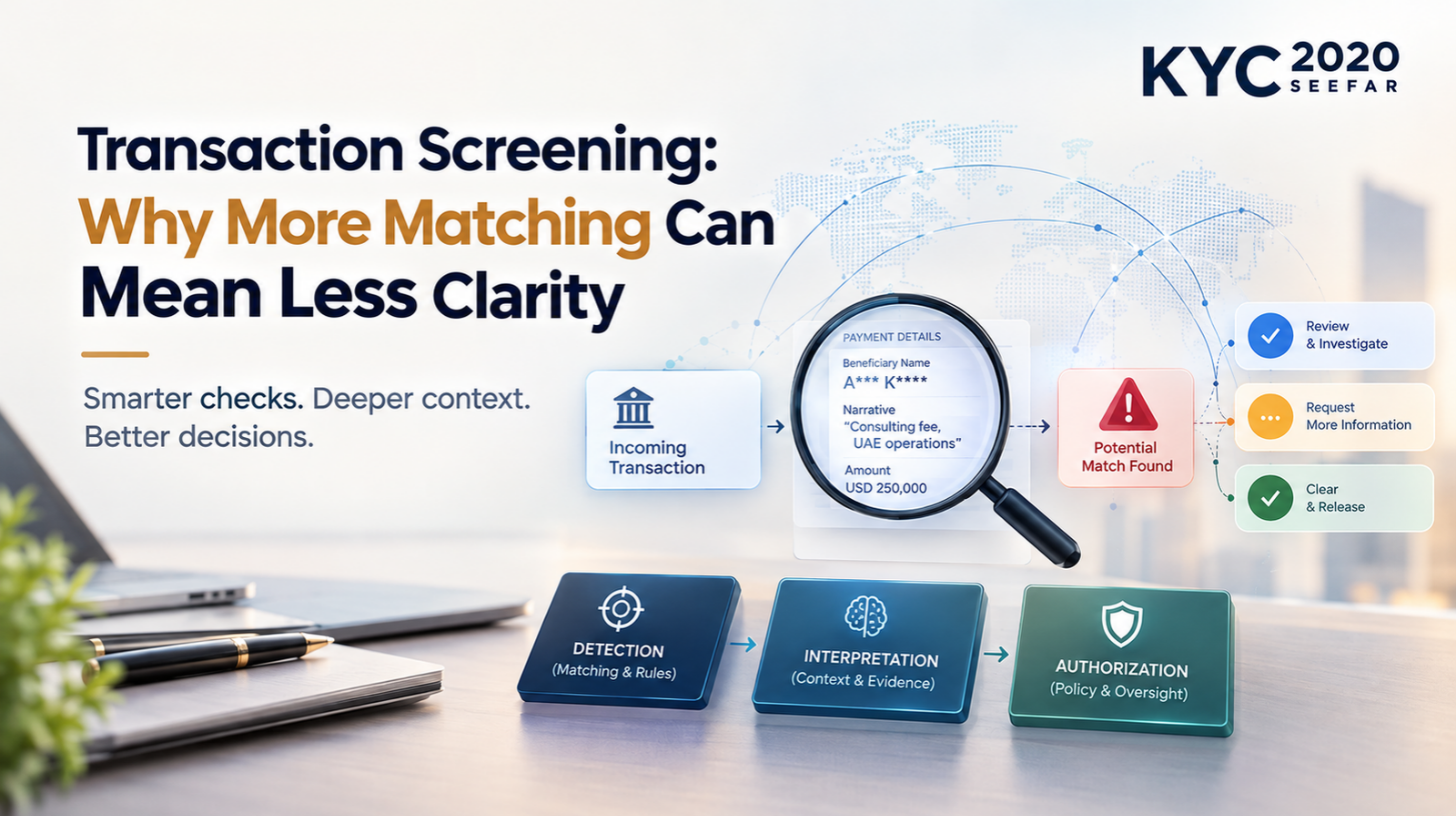
This reflects the trade-off between recall and precision. In practice, one score cannot resolve every difficult case. Initial screening should flag potential risks, while a later review checks context, conflicting identifiers, and the quality of the evidence. If information is incomplete, teams must show that uncertainty. They should not treat it as confirmation or clear the alert automatically
Separate evidence from the compliance decision
Automation can prioritize alerts and organize relevant details. However, a confident recommendation alone does not count as evidence. To support a defensible workflow, teams should record the source and list version, the identifiers they compared, the matching rules they used, supporting details, reviewer actions, and the final decision
AI may help explain why two records could refer to the same party. However, teams must keep its role limited and testable. Every recommendation should point to source evidence, and any uncertainty should trigger a review. In addition, authorized staff must make consequential decisions under approved rules and oversight. An opaque score should never clear a potentially sanctioned party without review
Why monitoring must continue after onboarding
A customer who passed screening yesterday may pose a higher risk today if a sanctions list changes. Therefore, ongoing monitoring checks existing records against updates and sends new or changed matches for review
Effective operations also need clear alert ownership, escalation paths, recorded decisions, and timely reviews. For example, teams can manage duplicate alerts, access rights, case histories, and links to onboarding or payment workflows. These steps help staff act consistently and later trace how they reached each decision
Frequently Asked Questions (FAQs)
- What is sanctions screening?
Sanctions screening means checking people and entities against sanctions lists to find possible restrictions or risks
- Who should be screened?
Institutions should screen customers, beneficial owners, counterparties, and other parties named in their policies
- Why do false positives occur?
Similar names, missing identifiers, and broad matching rules can create alerts for unrelated people or entities
- What is ongoing monitoring?
Ongoing monitoring means checking existing relationships again when relevant sanctions data changes
- Can AI make final screening decisions?
AI can support the analysis. However, people must make decisions based on evidence, policy, and proper oversight
- Which sanctions lists should be covered?
Institutions should cover the lists required by applicable laws, jurisdictions, business activities, and risk assessments
- How should screening performance be measured?
Track false positives, missed matches, review times, escalations, and audit findings to assess screening performance
Evaluate performance beyond a product demonstration
When you assess sanctions screening software, test common names, transliterations, incomplete records, corporate entities, and known matches. Also, ask how often the provider updates its data, which jurisdictions and lists it covers, and how you can set matching thresholds. Finally, check whether the system explains and records its decisions for an audit
Measure missed matches as well as false-positive rates, analyst workload, escalation quality, and audit findings. Since no single metric proves effectiveness, make sure your tests reflect the institution’s actual risk profile
KYC2020 offers global sanctions data through Vision IQ and ongoing sanctions monitoring through Sanction Watch. In addition, its broader screening tools support onboarding and continued review. However, each institution should check whether the available coverage and settings meet its own obligations and risk policies
The goal is not to eliminate every alert. Instead, teams should identify meaningful risks, explain why a match matters, and keep records of decisions that can withstand scrutiny. Ultimately, reliable data, balanced matching, contextual review, and accountable human judgment must work together.