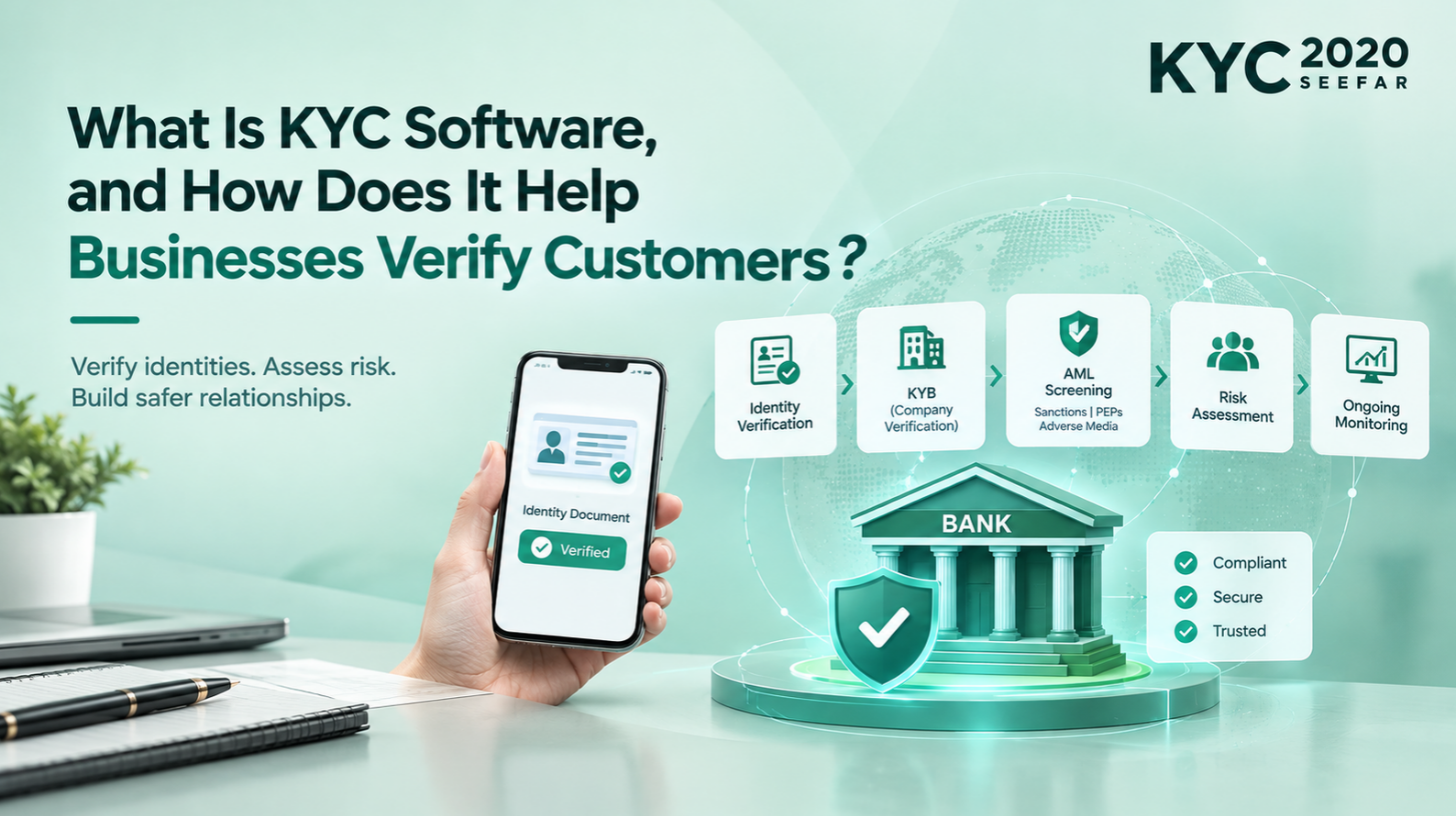
A customer completes identity verification, passes onboarding, and joins the platform. Weeks later, a sanctions list changes. Also, a new information raises concerns about the same customer. The original check was accurate when performed. But it no longer answers the question compliance teams face today: Has the risk changed? Choosing KYC software means connecting identity, screening, and ongoing monitoring. This can be establish in a process that can be explained and audited.
The Best KYC Software Starts With AML, Not Just Identity
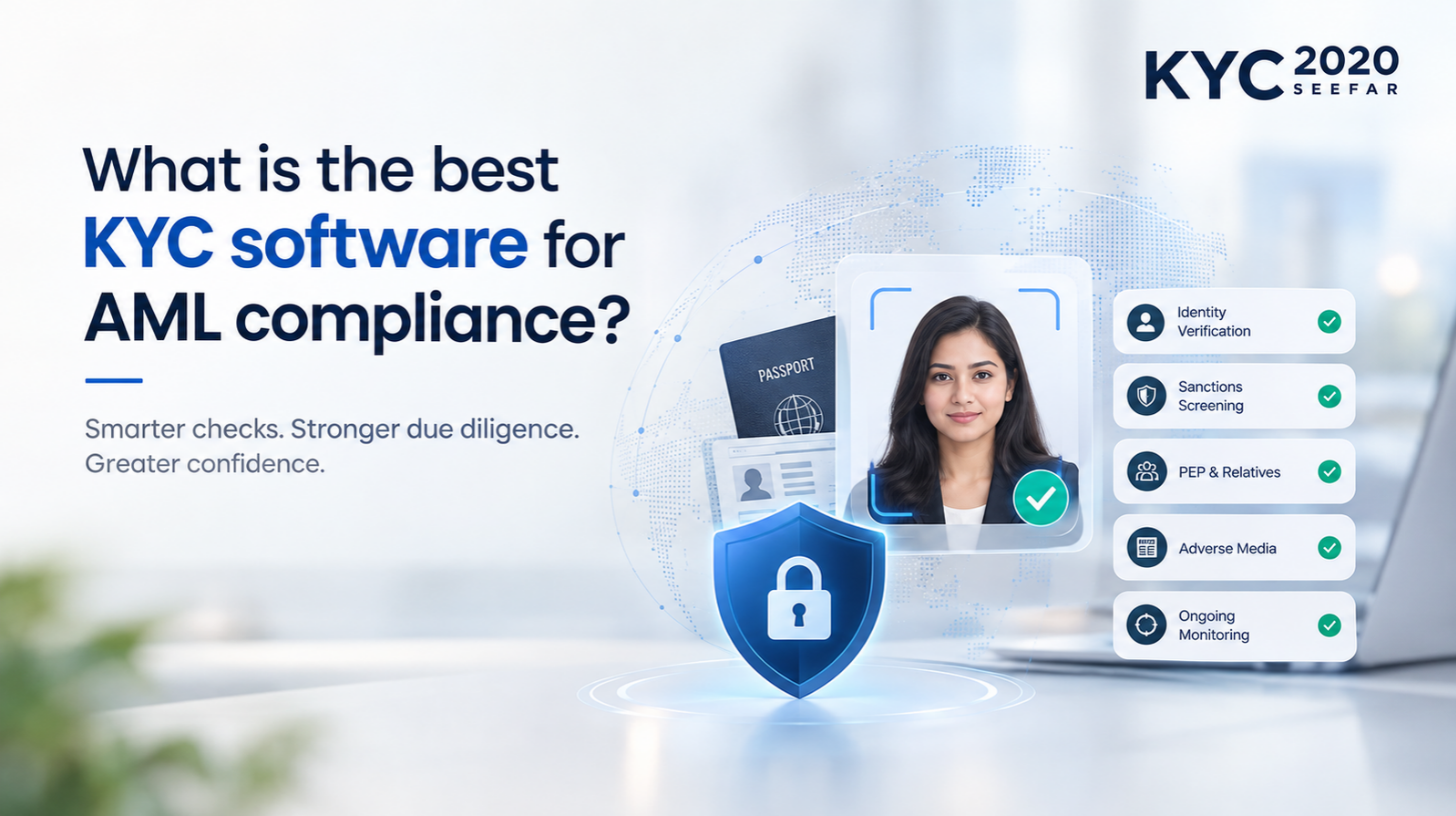
Know Your Customer (KYC) software helps businesses establish who a customer is. Also, this software assess whether the relationship presents unacceptable risk. Identity verification may use documents, biometrics and data checks. But AML compliance also requires screening against sanctions, politically exposed persons (PEPs), relatives and close associates, and relevant adverse media.
These functions answer different questions. A document check can help establish that an identity document is genuine. It cannot, by itself, establish whether the customer appears on a sanctions list or is linked to credible financial-crime concerns. When checks operate in disconnected systems, teams may end up with separate records. Also, you may notice inconsistent risk outcomes and gaps in the audit trail.
Why More Checks Do Not Automatically Mean Better Compliance
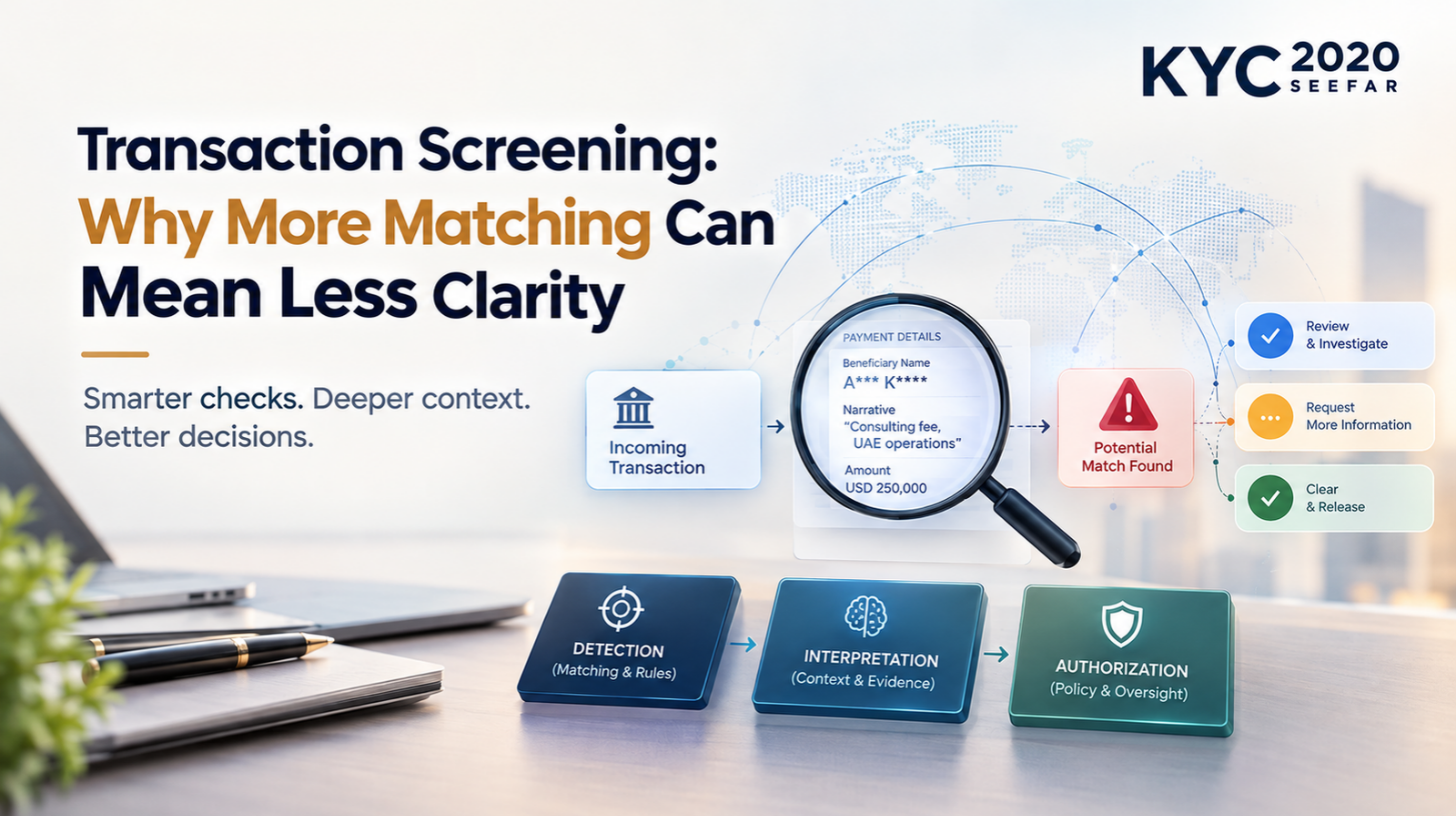
Consider a customer whose name resembles a listed individual’s. A broad search may produce several alerts. But a strict matching threshold may suppress a genuine match with a spelling variation. Neither more alerts nor fewer alerts, on its own, proves that screening is effective.
The software must compare available identifiers — such as date of birth, nationality, address, aliases, and entity details. And make uncertainty visible. Context matters too. An adverse-media article may mention a person as a victim or witness rather than someone accused of wrongdoing. Keyword matches alone cannot reliably establish relevance.
The objective is to balance detection with precision. A system should surface plausible risks without flooding analysts with weak matches. It should escalate incomplete or conflicting evidence instead of silently treating it as a clear result.
What Should Buyers Evaluate?
Screening Coverage and Data Quality
Check which sanctions, PEP, regulatory, and adverse-media sources are covered, how frequently they are updated, and whether records include useful identifiers and aliases. Priorities relevant jurisdictions and ask how duplicate or outdated records are handled.
Explainable Decisions and Case Management
A risk score is not an explanation. Reviewers need to see which identifiers matched, what evidence supported an alert. They also need to check which policy rule applied, and why a case was cleared, escalated or rejected. Case notes, reviewer attribution, timestamps, and audit history help reconstruct decisions.
Ongoing Monitoring and Risk-Based Workflows
Onboarding is only a snapshot. Customers, ownership structures, sanctions lists and public information change. Look for ongoing monitoring that identifies relevant changes, routes alerts to the right team. And it records what happened next. Workflows should reflect risk appetite, applying enhanced due diligence where warranted.
Integration, Security, and Operational Fit
Assess integrations and access controls. Maintain data protection, deployment, and support. Test realistic cases: common names, transliterations, incomplete records, beneficial owners, and genuine matches. Measure false positives alongside missed-match testing, review time, onboarding friction and audit findings. Ask vendors to demonstrate realistic scenarios.
During a pilot, include customers, high-risk cases, false-positive examples and known matches. Confirm who owns unresolved alerts. Also, confirm how policy changes are approved. Check whether records can be exported for audits and independent testing.
Where AI Belongs in an AML Workflow
AI can help interpret context. Also, AI can organize evidence, and prioritize reviews. But it should not become an unexplained authority over consequential compliance decisions. Check its permitted role, evidence sources, uncertainty handling, and reproducibility. A sound design keeps policy rules, evidence, and authorized human review connected while preserving a traceable record of each outcome.
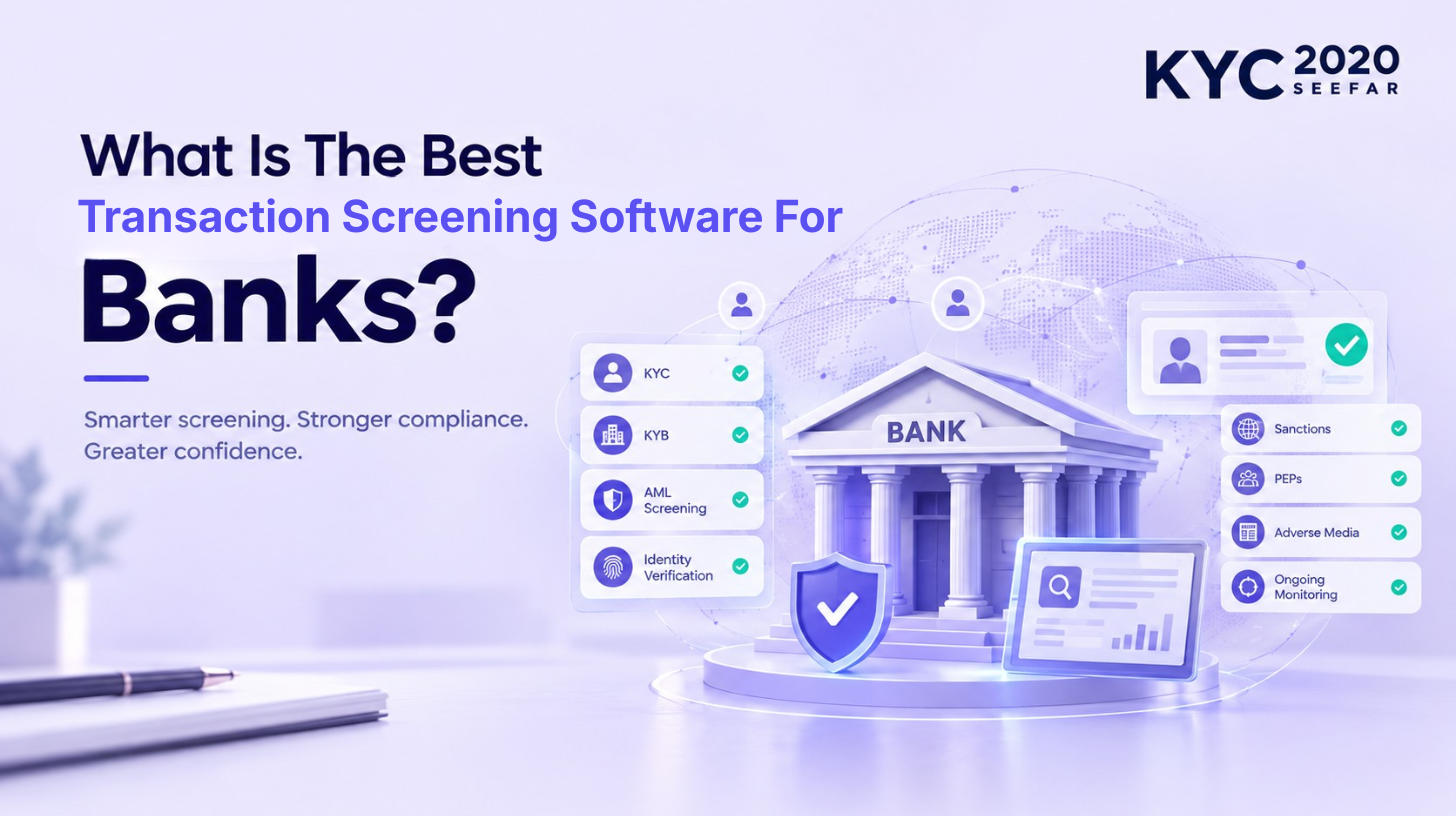
KYC2020 describes an AML-first approach combining screening, identity verification, KYB and ongoing monitoring in policy-governed workflows, with audit trails and maker-checker controls. Buyers should verify these capabilities against their requirements.
So, What Is The Best KYC Software for AML Compliance?
The best choice is not necessarily the platform with the longest feature list or the fastest onboarding flow. It is the one that fits your risk profile. It connects identity checks with meaningful AML screening. It also adapts as risk changes. And it shows each decision.
Before choosing, map your current process, define the risks you must detect, test difficult cases. Also, confirm that the system produces records your team can defend. Effective KYC software does not remove compliance judgment. It gives that judgment better evidence, consistent controls, and a clearer path from alert to accountable decision.