A customer passes identity verification, yet a sanctions alert appears before a payment is released. Another clears onboarding, then becomes higher risk when new information emerges. These are not separate technology problems. They expose a larger question: can compliance software connect identity, risk, evidence and decisions throughout the customer relationship?
Effectiveness Starts With The Right Question
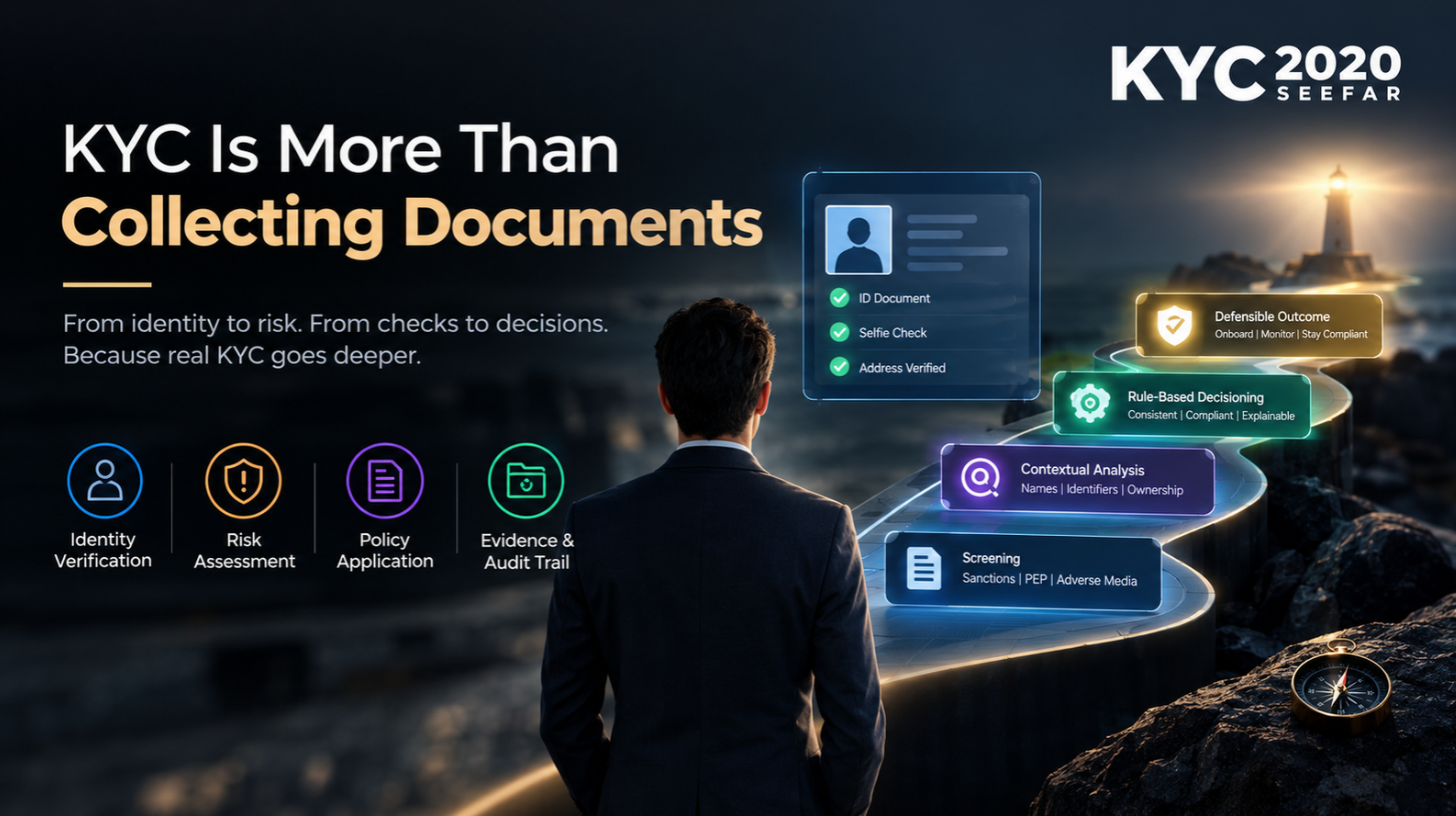
Know Your Customer (KYC) helps establish who a customer is and assess the risks of the relationship. Anti-Money Laundering (AML) controls help identify and manage potential financial crime. Verifying a document does not establish that a customer is free from sanctions exposure, politically exposed person (PEP) risk or relevant adverse media.
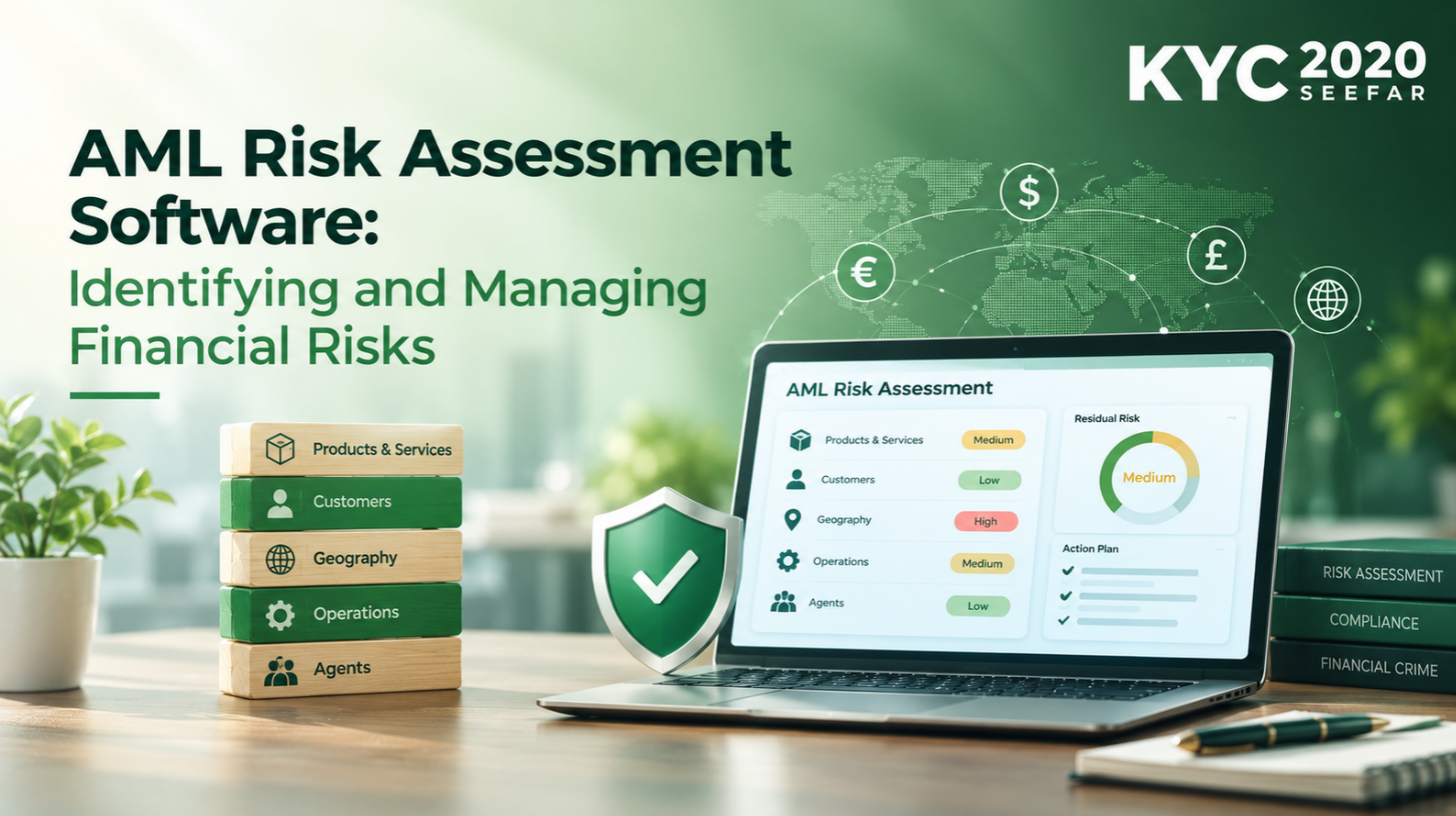
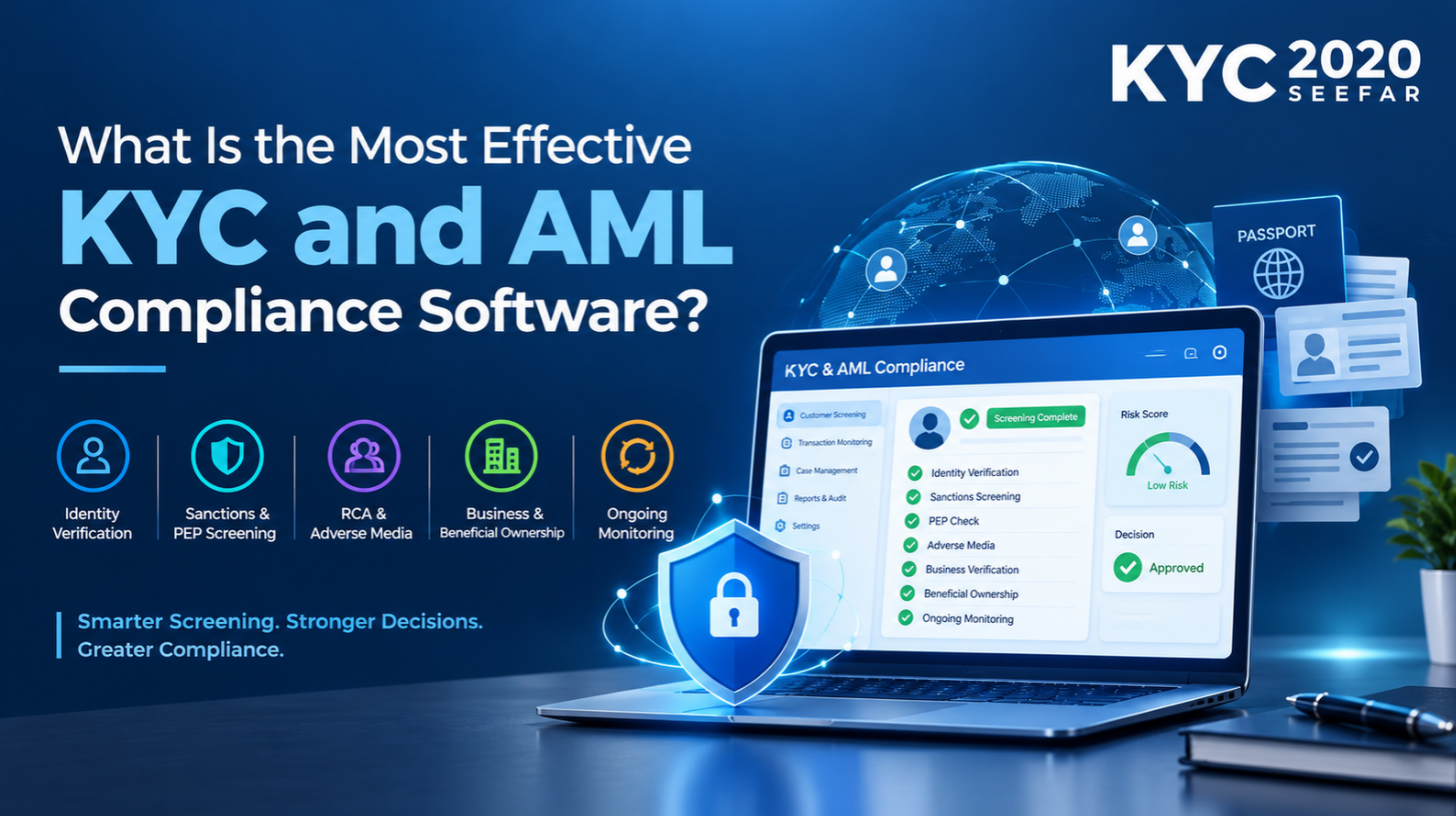
Effective software connects these checks to a risk-based process. Depending on the institution, this may include identity verification, sanctions and PEP screening, relatives and close associates (RCA) checks, adverse media, business verification, beneficial ownership, transaction screening and ongoing monitoring. The right combination depends on the institution’s customers, products, jurisdictions and obligations.
Why More Alerts Do Not Mean Better Detection
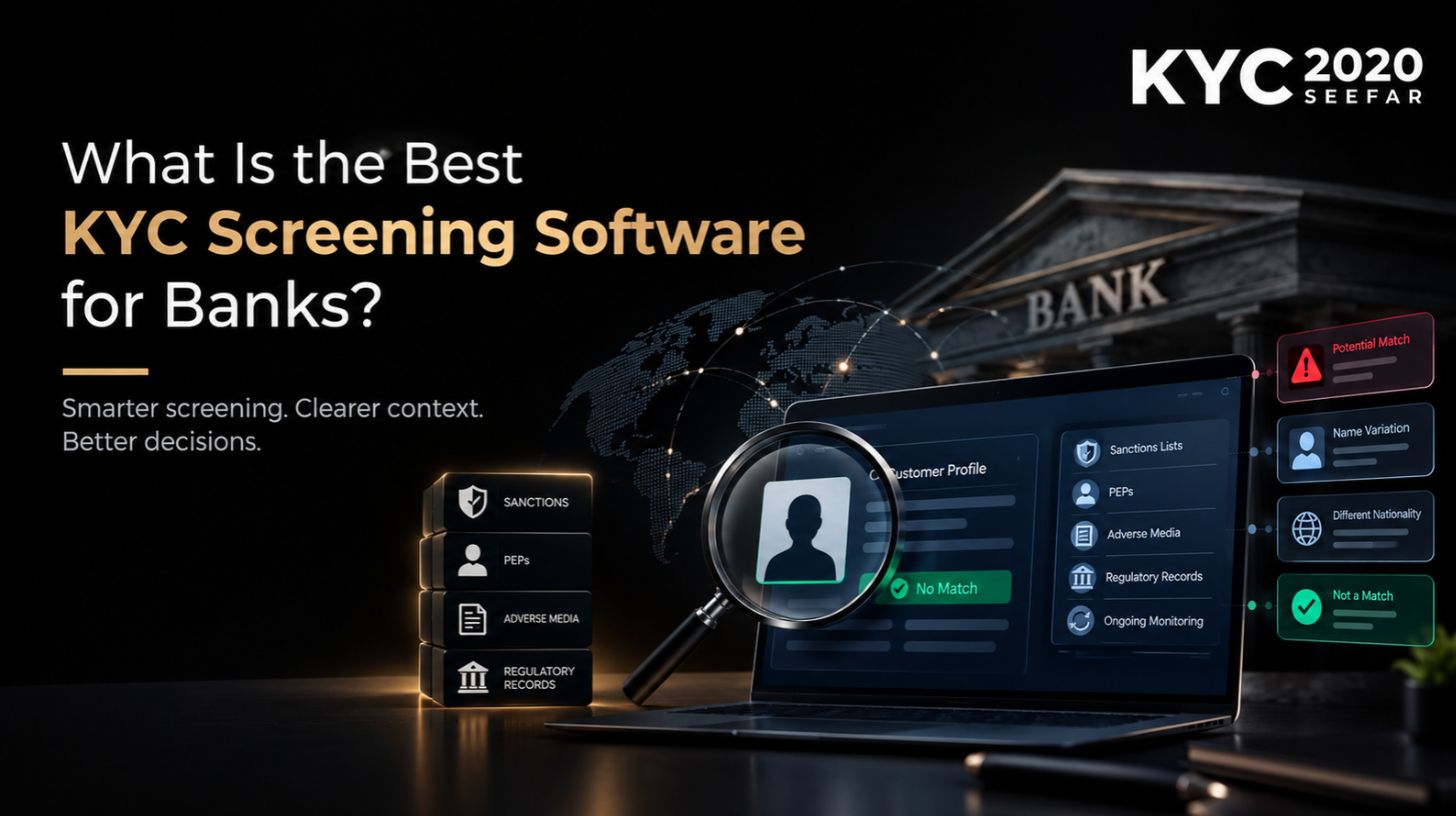
Imagine a customer whose name matches a public figure mentioned in a news article. The system flags the story, but the person in the article is a sports opponent, not the customer—and the article describes no wrongdoing by either person. A keyword-based process may still send the hit to an analyst because it sees a name and negative language.
This illustrates the balance between recall and precision. Broad matching can catch more possible risks but also produce irrelevant alerts. Strict thresholds may reduce the queue while excluding genuine matches with spelling variations or incomplete data. A useful system must find candidates without confusing similarity with identity or relevance.
Connect Matching To Context And Evidence
A match score alone cannot resolve uncertainty. Screening should compare available identifiers, including date of birth, nationality, address, aliases and entity details. For adverse media, it must also establish the person’s role: accused, victim, witness, associate or incidental mention. Each distinction can change the risk assessment.
Contextual AI can help interpret complex text, but its output should be constrained and verifiable. A defensible workflow asks specific questions, links answers to source passages, checks that cited evidence exists and escalates uncertain cases. AI can support analysis; it should not silently replace documented policy or authorised human judgment.
Keep Decisions Explainable And Auditable
When an alert is cleared or escalated, the institution should be able to reconstruct why. Records should capture the data source and list version, identifiers compared, matching logic, evidence reviewed, applicable rules, reviewer actions and timestamps. Role-based access, maker-checker controls and case ownership help keep decisions consistent.
KYC2020’s published approach places screening and explainable decision logic at the centre of compliance workflows. Its solutions cover sanctions, PEP and adverse media screening, identity verification, KYB and ongoing monitoring. The important evaluation question is how these capabilities work together — and whether the resulting decisions remain traceable—rather than how many features appear on a product page.
Before selection, map decisions software must support: who can approve a clearance, when due diligence is required, how suspicious activity is escalated and how records are retained. Configure workflows to reflect policies, then validate changes before deployment. This prevents automation from creating inconsistent treatment across teams and helps compliance leaders explain what the system found and how staff acted on it.
Test Performance Beyond A Polished Demonstration
A vendor demonstration may use clean records and obvious matches. Real operations contain common names, transliterations, incomplete identifiers, duplicate stories, complex ownership structures and conflicting evidence. Test these cases against known outcomes and examine both missed matches and false positives.
Evaluate list coverage and update frequency, integration options, monitoring triggers, data protection, deployment needs and total cost. Measure alert quality, investigation time, escalation consistency and audit findings together. No single metric proves effectiveness; performance must be assessed against the institution’s risk profile and regulatory obligations.
Choose Software That Supports Defensible Decisions
The most effective KYC and AML compliance software is not necessarily the platform with the longest feature list. It combines reliable data, appropriate screening coverage, contextual analysis, consistent rules, ongoing monitoring, and accountable review. It also helps teams explain why a case was flagged, cleared, or escalated.
The objective is not to eliminate every alert. It is to surface meaningful risk, reduce avoidable manual work, and preserve evidence behind consequential decisions. When technology connects detection with explainable decisioning, compliance teams can spend less time clearing noise and more time investigating what matters.