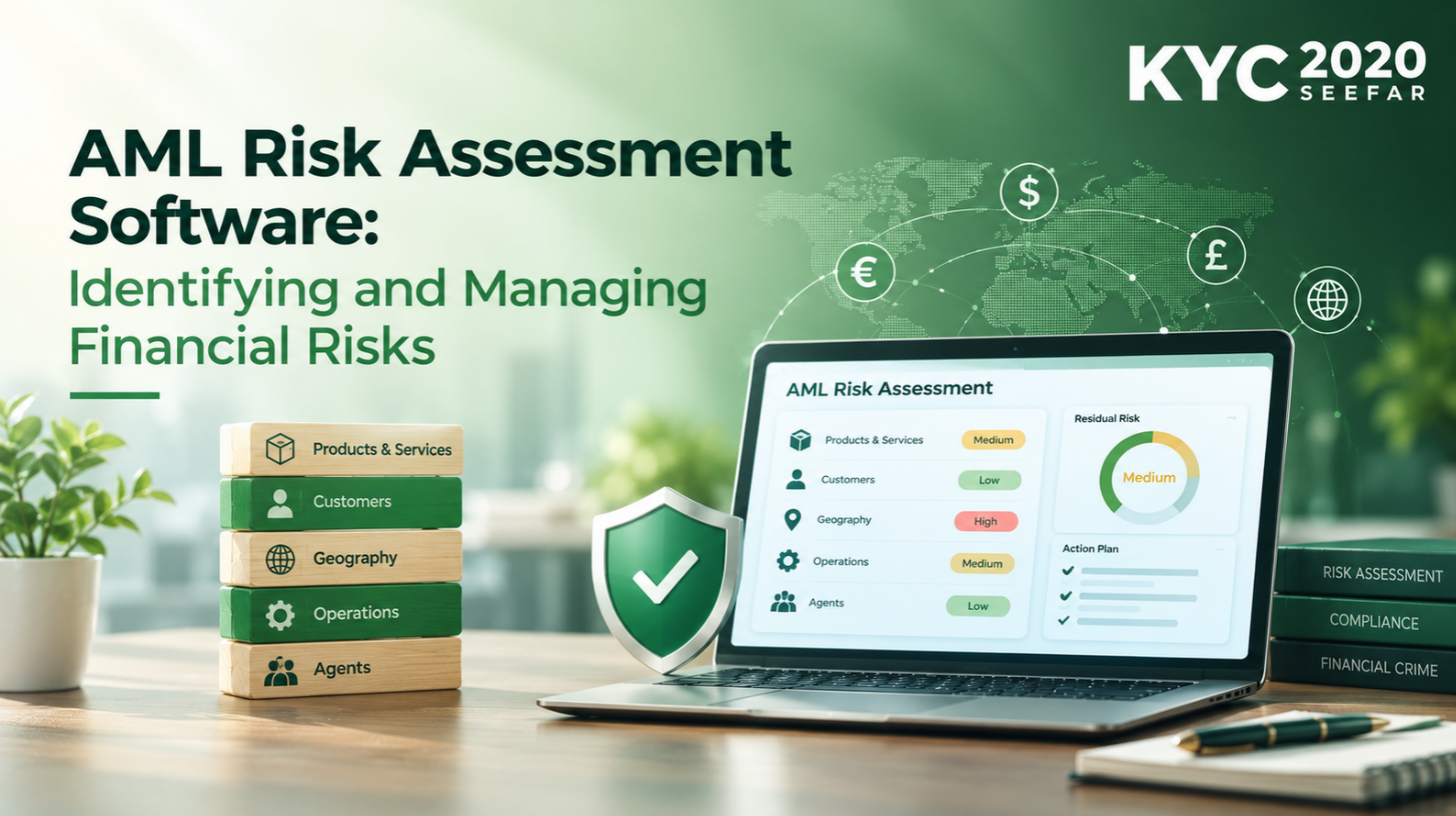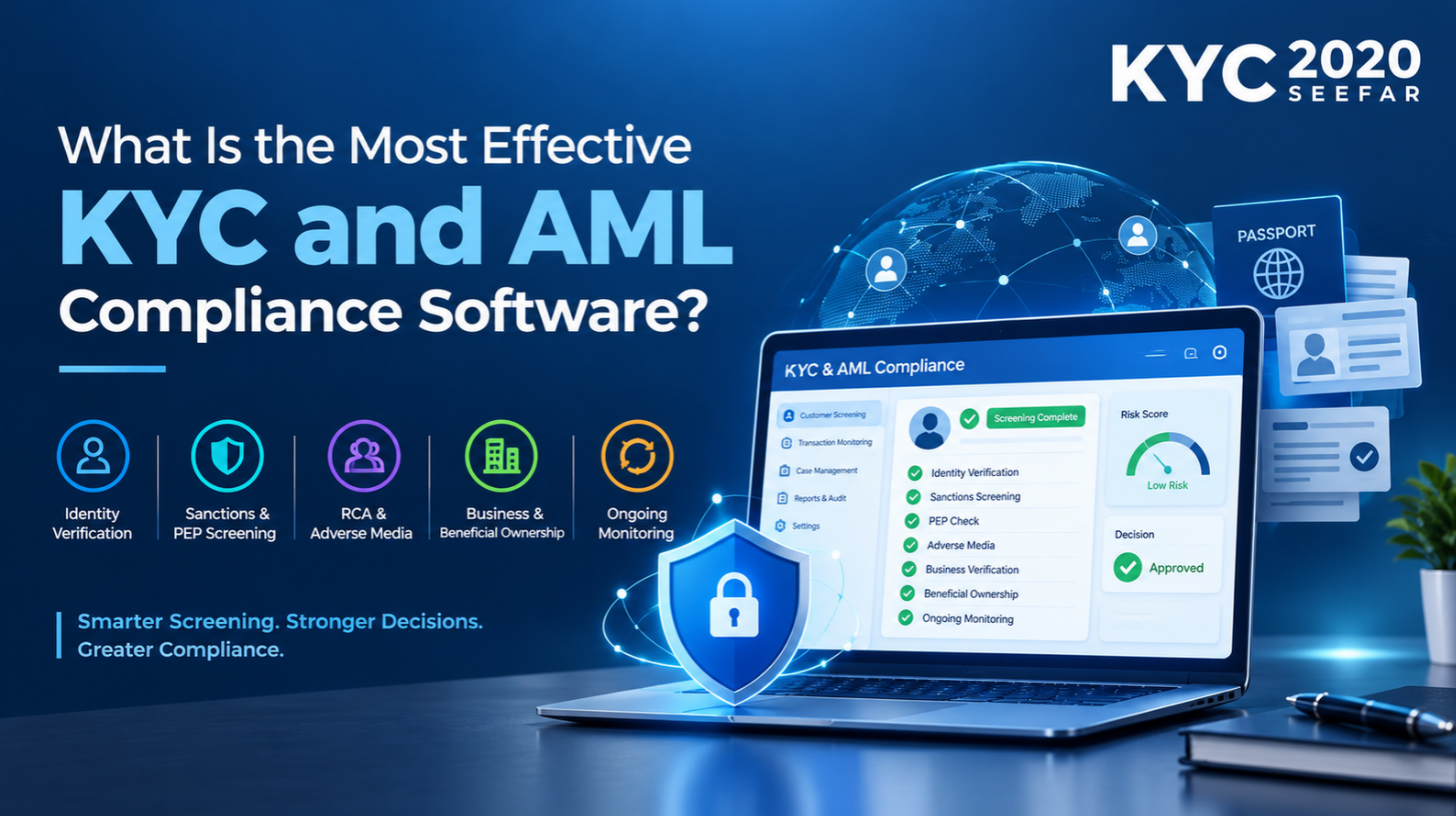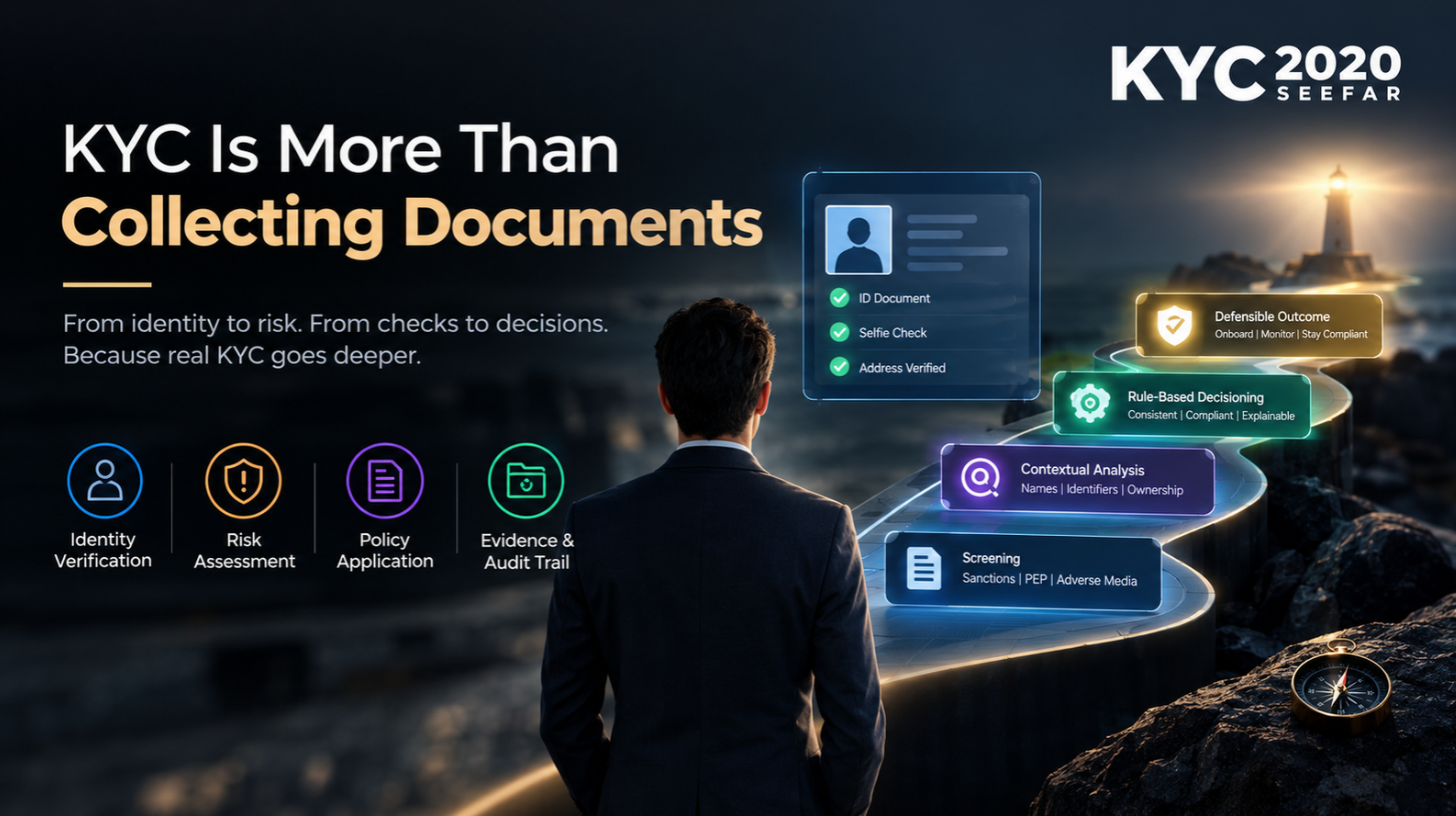
A customer uploads an identity document, completes a selfie check and enters an address. The interface shows three green ticks. Yet the business may still not know who ultimately owns the account, whether the customer presents financial-crime risk, or what should happen when new information emerges.
That gap matters. Know Your Customer (KYC) is not simply a document collection exercise. It is a decision process: establish identity, understand the customer’s risk, apply the institution’s policy and retain evidence explaining the outcome.
Where KYC Software Must Connect Verification With Risk
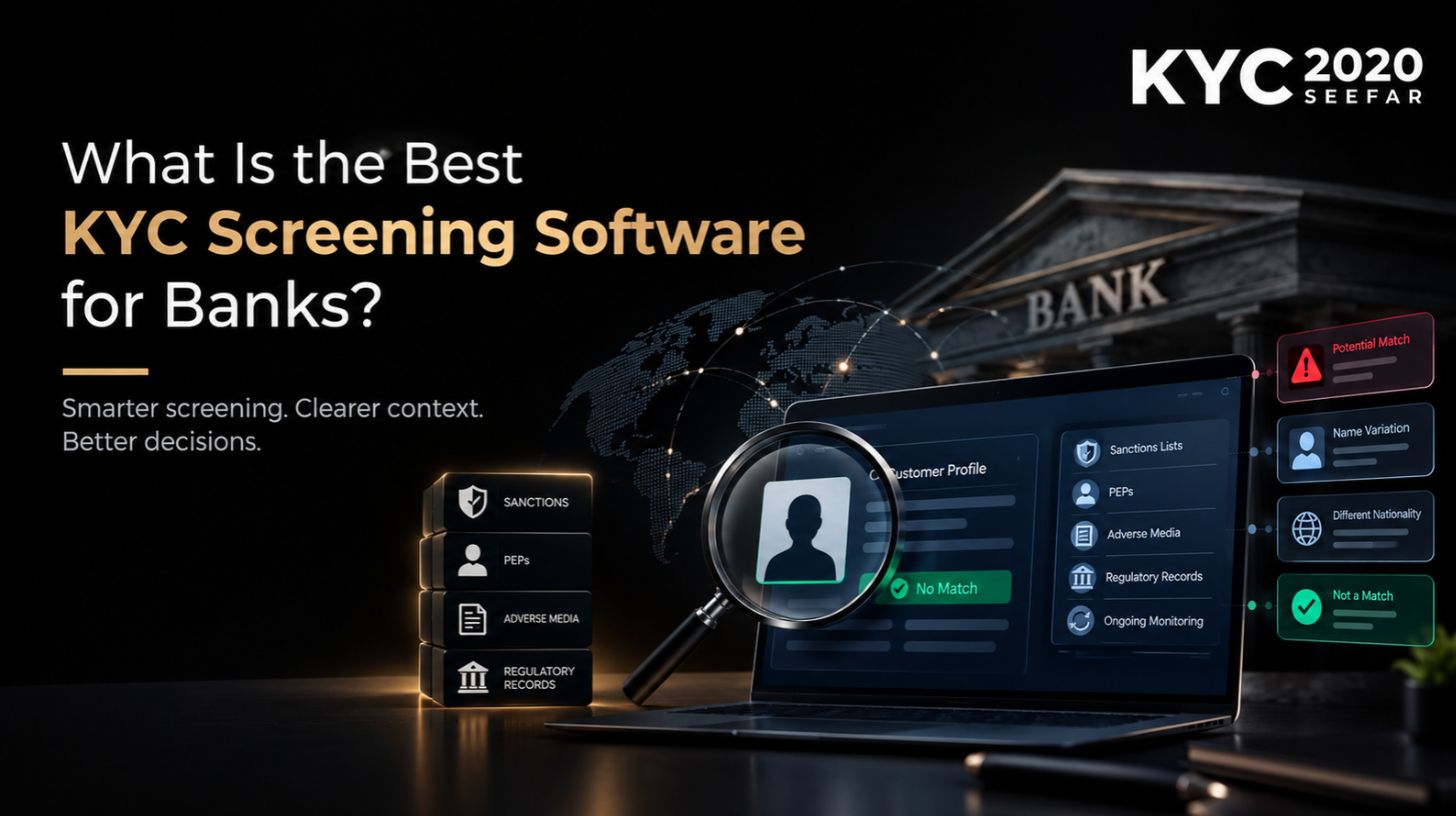
Identity verification can establish whether a document appears authentic and whether the person matches the submitted image. Customer due diligence goes further. Depending on the customer and applicable rules, it may require collecting occupation, business activity, source of funds, ownership information, and expected account use. Screening then checks relevant names and entities against sanctions, politically exposed persons (PEPs), relatives and close associates, regulatory records, and adverse media.
These checks answer different questions. A genuine identity does not automatically mean a customer is low risk; a potential watchlist match does not automatically mean the customer is the listed person. Treating every check as an isolated pass-or-fail step can create inconsistent decisions and leave important context scattered across systems.
Why More Automation Does Not Always Mean Better Decisions
Consider a small business whose director shares a name with a sanctioned individual. A basic workflow may block the application or send it to an analyst based on a name score alone. If the institution responds by tightening its matching threshold, it may reduce irrelevant alerts—but also miss genuine matches involving spelling variations or incomplete data.
The better approach is to separate candidate identification from decisioning. Matching rules should surface plausible connections for KYC software; contextual analysis should compare identifiers such as date of birth, nationality, location, aliases and entity details. Missing or conflicting information should remain visible. Where evidence is inconclusive, the case needs further review rather than an automatic clearance.
Automation is most useful when its role is defined. It can validate data, route cases, apply approved rules and assemble evidence. It should not turn an uncertain prediction into an unexplained compliance decision.
Build A Risk-Based Journey Through KYC Software, Not A Checklist
A well-designed workflow adjusts due diligence to the customer’s risk and the institution’s obligations. A straightforward case may pass through standard verification and screening. For KYC software, a higher-risk relationship may require enhanced due diligence, additional documentation, senior approval or closer monitoring. The rationale for each path should be clear and consistent.
This is where integration matters. Identity verification, sanctions and PEP screening, business verification, beneficial-owner checks and case management should share relevant information without losing the record of how each decision was made. APIs and configurable workflows can connect these steps to onboarding systems, while access controls help protect sensitive customer data.
Onboarding Is Only The Beginning For KYC Software
A customer’s risk profile can change after approval. A new sanctions designation, a change in beneficial ownership, a politically exposed role or credible adverse reporting may require reassessment. Ongoing monitoring helps institutions detect such changes and trigger reviews under their policies.
Monitoring KYC software must also be manageable. If every data update creates an alert, analysts may spend their time clearing noise. Institutions should measure alert relevance, missed-match testing, review time, escalation quality and the completeness of decision records—not just the number of applications processed.
Make Each Decision Explainable
A defensible KYC process records the information reviewed, sources consulted, rules applied, evidence supporting the outcome, reviewer actions and timestamps. A clear audit trail allows another person to reconstruct why an application was approved, rejected or escalated. Human review remains essential when information conflicts, risk is material or policy requires approval.
When evaluating KYC software, teams should test ordinary and difficult cases: mismatched dates, transliterated names, incomplete ownership records and changes after onboarding. They should also confirm data refresh frequency, escalation controls, integration reliability and whether decisions can be reproduced for an audit. Vendor demonstrations alone are not enough consistently.
Turning KYC Decisions into Defensible Outcomes
KYC2020’s approach combines identity and business verification with screening, contextual analysis, and rule-based decision-making, supporting explainable outcomes and documented decisions. The value of this model is not automation for its own sake; it is a connected process in which each check contributes to a risk decision that can be examined later.
Effective KYC does not end when a document is accepted. It connects identity to risk, risk to policy and policy to evidence — helping institutions onboard legitimate customers efficiently while keeping meaningful financial-crime risks in view.