AML compliance isn’t just about getting the risk signals right, it’s about handling sensitive data with the same care you bring to financial crime detection. At KYC2020, we treat data privacy and security not as checklist items, but as core…
AML compliance isn’t just about getting the risk signals right, it’s about handling sensitive data with the same care you bring to financial crime detection. At KYC2020, we treat data privacy and security not as checklist items, but as core…

Section 314(a) of the USA PATRIOT Act is a regulatory mechanism that fosters cooperation between Financial Institutions (FIs) and Law Enforcement (LE) in the fight against financial crime, money laundering, and terrorist financing. Administered by the Financial Crimes Enforcement Network…

Anti-Money Laundering (AML) compliance is an important element of any business and is a set of procedures and regulations designed to prevent money laundering and other illegal activities, but it can be particularly complex for financial institutions. Financial institutions must…

Keeping your business compliant when it comes to sanctions screening can be a bit intimidating. Let’s start with understanding what it means to Know Your Customer or Client (KYC). Banks must check the identity of their clients at the time of onboarding.…
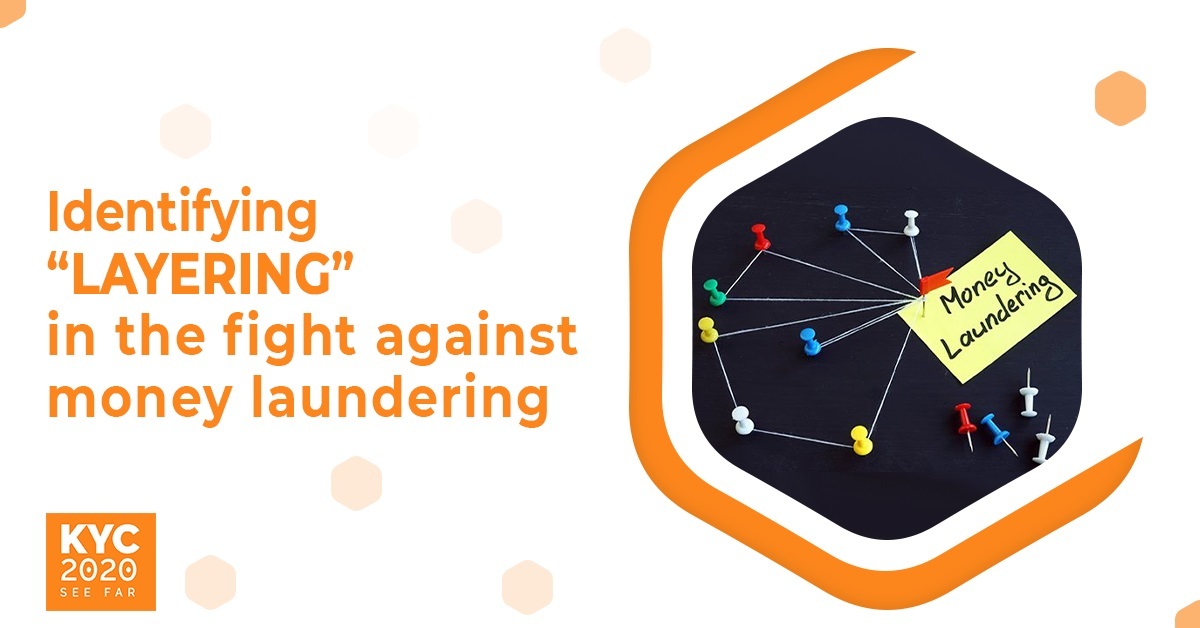
Many criminal activities generate substantial volumes of cash that require money laundering and layering to avoid detection. These can include drug trafficking, arms dealing, terrorist activities, theft rings, and even human trafficking. The anti-money laundering regulations and controls are in place to…
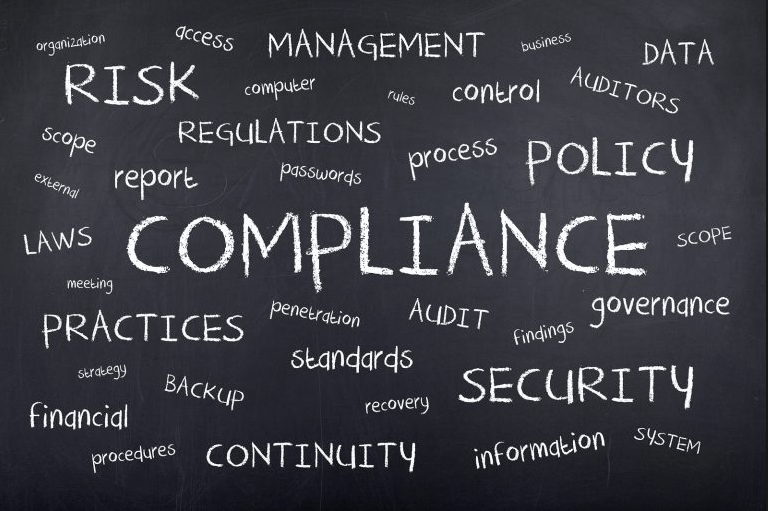
For more than 30 years, the Financial Action Task Force (FATF) has been the global standard by which many countries have wholeheartedly adopted the measure to combat Money Laundering and Terrorist Financing(ML/TF). Since the FATF first started in the late…
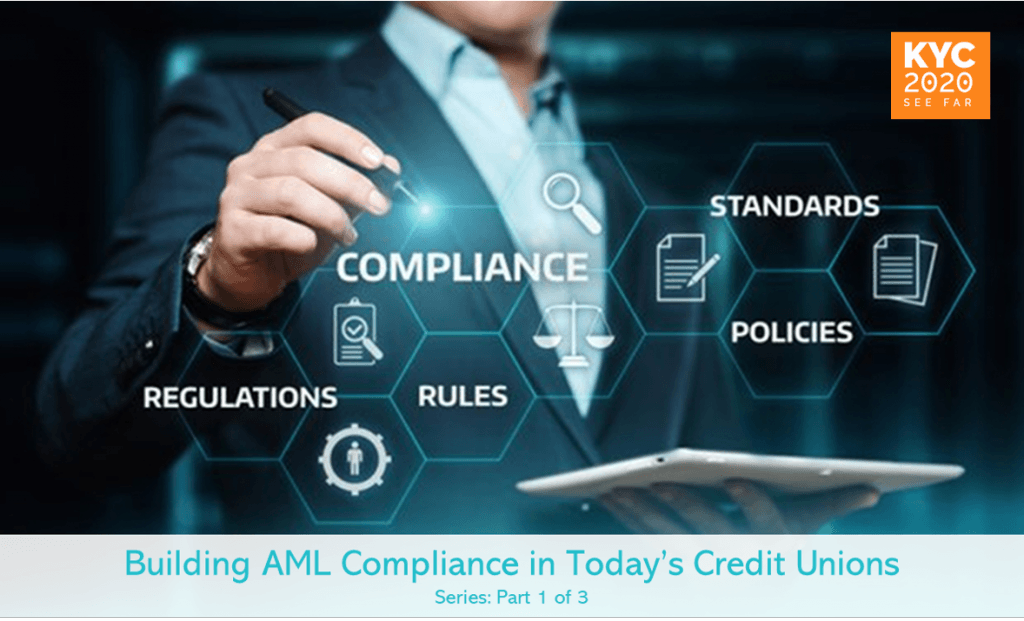
As regulators increase AML compliance demands on credit unions, the high cost of AML compliance is a critical challenge. How can credit unions both fulfill AML requirements and improve operations? Over the past few years complying with anti-money laundering (AML)…

Any business that deals in money and financial assets should start with a Risk Assessment for Money Laundering, Human Trafficking, and Terrorism funding. This includes firms that deal in cryptocurrency, payments, remittances, real estate, and other high-value commodities. AML Risk…

In my research to better integrate into the KYC2020 team, I discovered that having an anti-money laundering program in place is a pre-requisite for all organizations these days. Money laundering has serious consequences attached to it and failing to implement…

When I first started doing research about AML compliance, one of the first things I realized was how inaccessible good AML compliance solutions have been historically. Banks were always the primary users of programs for AML compliance and they needed…