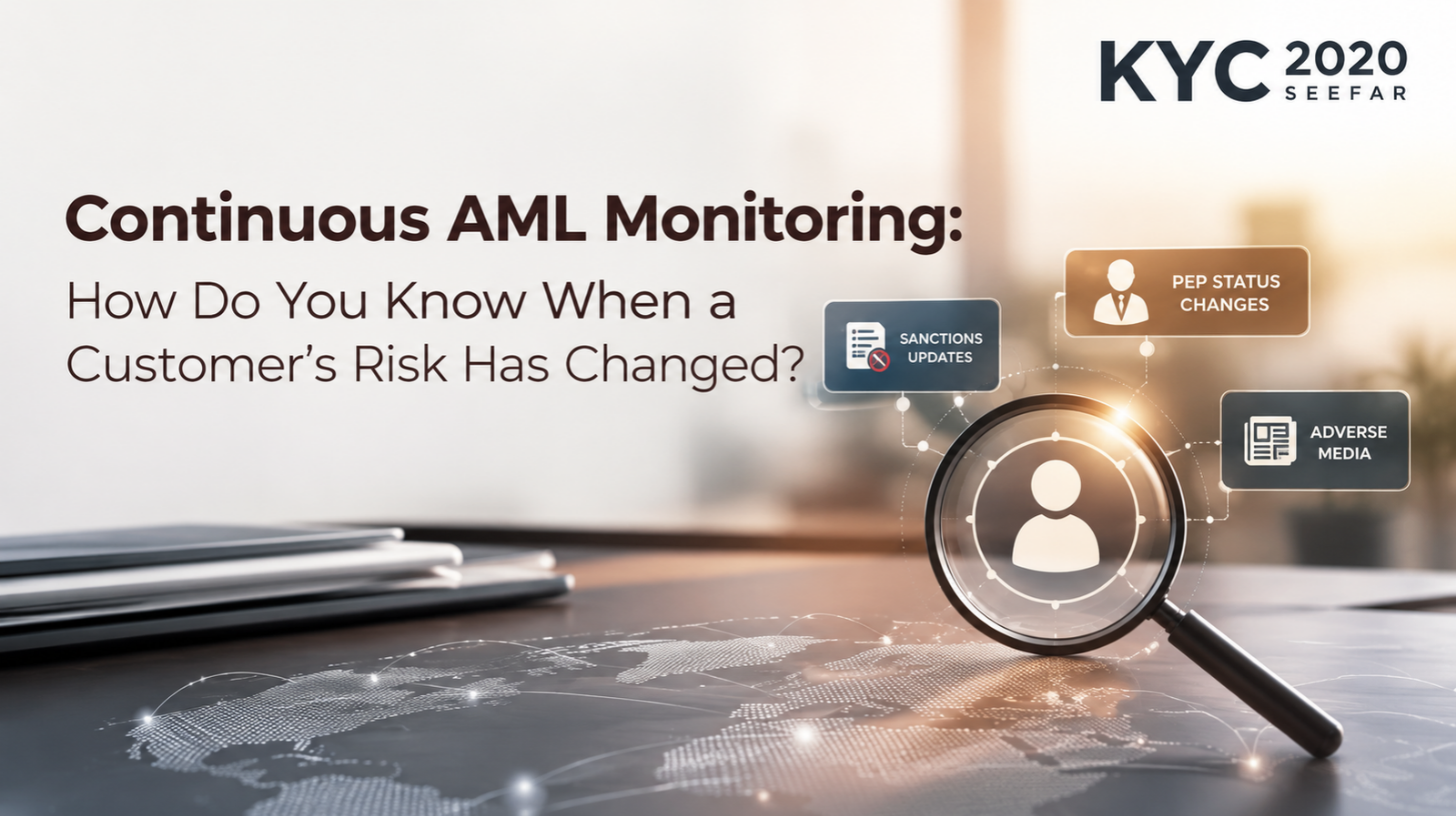
A customer passes screening on Monday. Three weeks later, a sanctions list is updated, the customer takes on a prominent public role, or new reporting links the person to a financial crime investigation. The original screening result may have been…
A customer passes screening on Monday. Three weeks later, a sanctions list is updated, the customer takes on a prominent public role, or new reporting links the person to a financial crime investigation. The original screening result may have been…
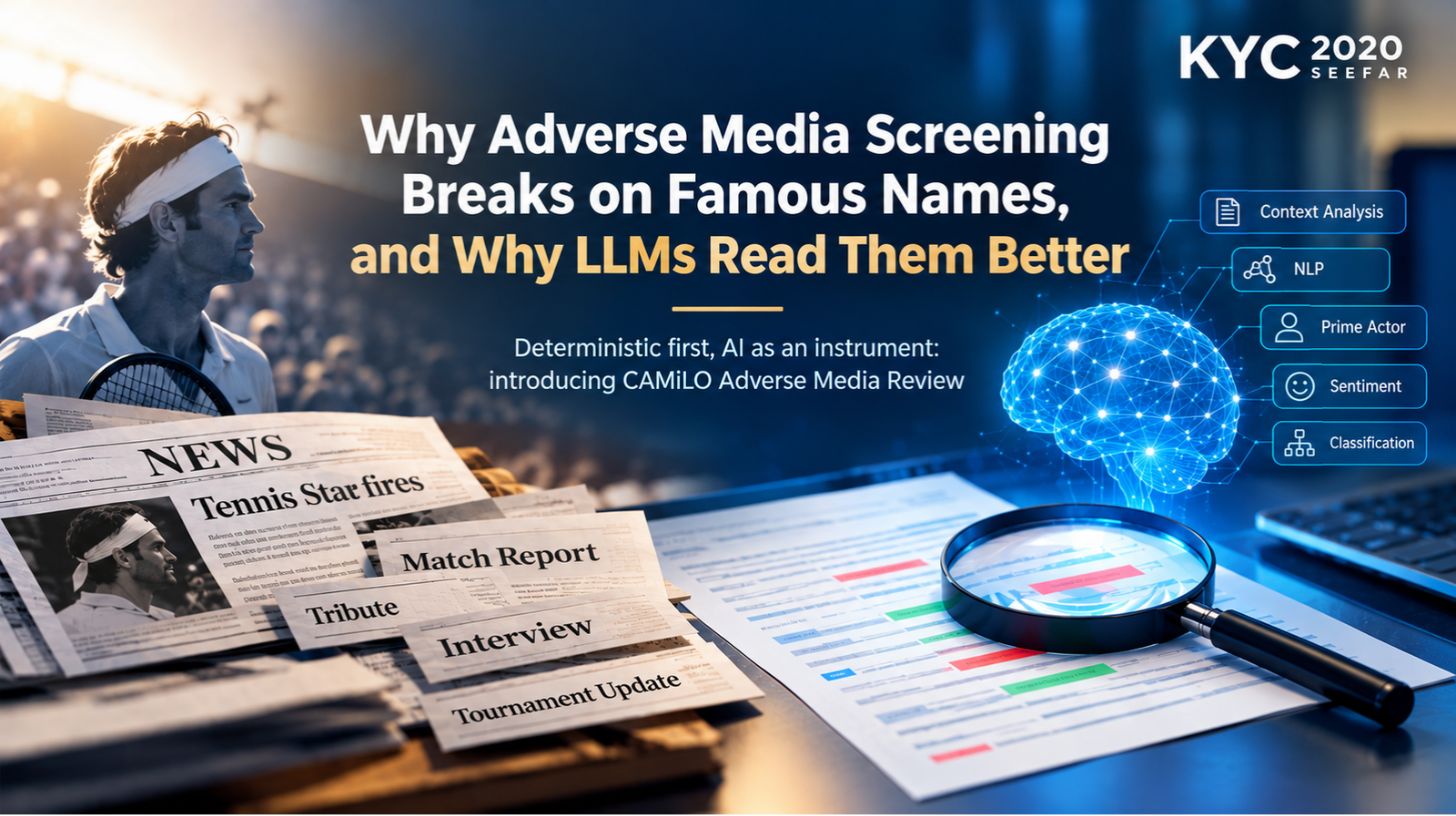
Adverse media screening, also called negative news screening, is meant to surface news that links a customer to financial crime. A recent screening flagged 14 articles on one customer. None of them were about that customer. Our adverse media engine…
A compliance partner’s pipeline went dark overnight when Google took out their scraping vendor. It pushed us to write something we’d been meaning to publish – a clear breakdown of how adverse media data is actually sourced, and why the architecture underneath your screening tool matters more than most buyers realize

Your screening tool is generating alerts and your team is reviewing them. From the outside, the system looks like it’s doing its job. However, implementing Sanction Screening Best Practices is crucial to ensure your compliance program is truly effective. The…
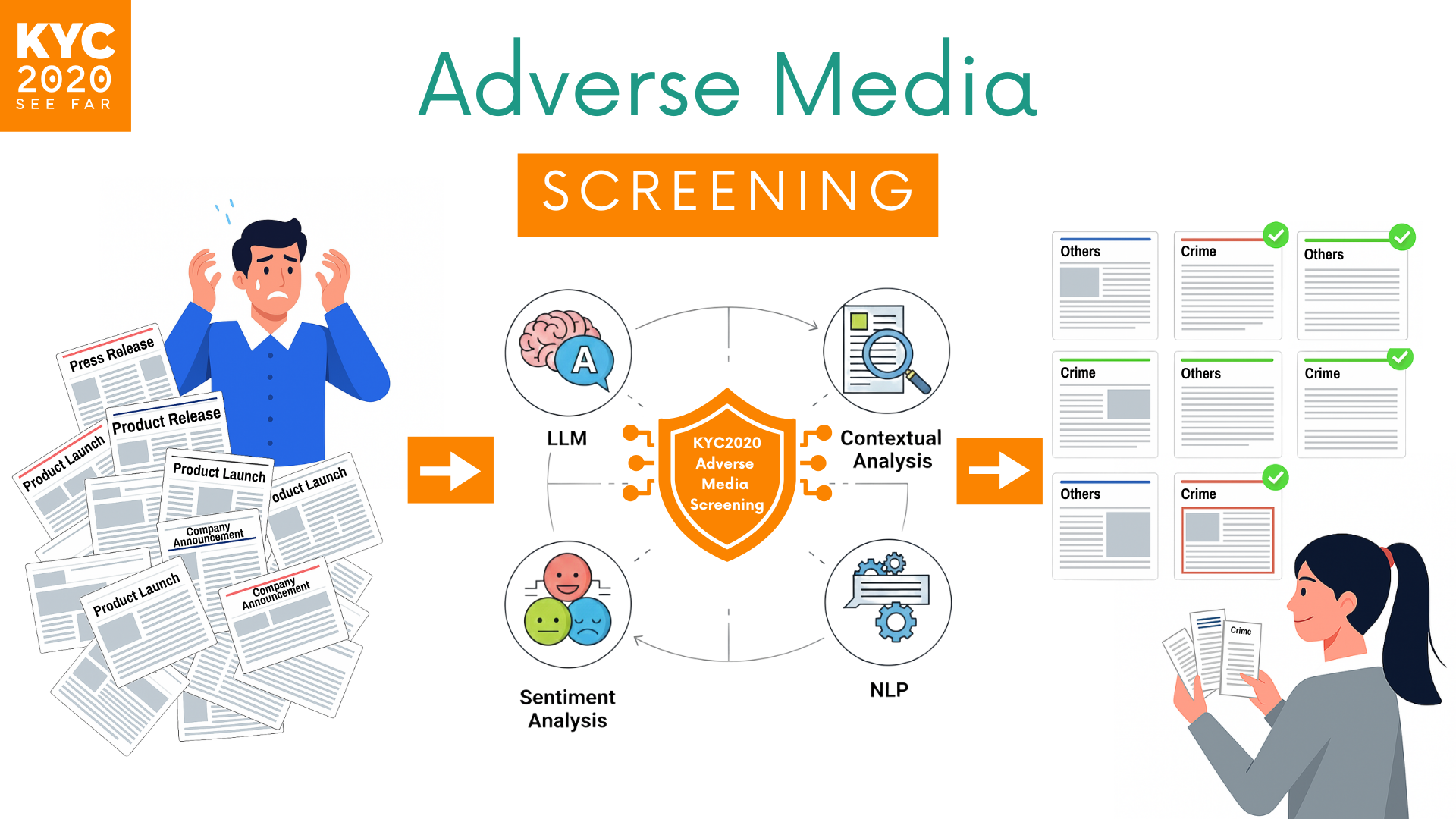
Adverse media or negative news screening has long been one of the most challenging aspects of AML Screening. While essential for uncovering risks tied to individuals or entities, it often creates major inefficiencies: too many false positives clutter review and…
In the Middle East, within a thriving start-up ecosystem that has recently an impressive 1.6 billion USD in funding for MENA start-ups this year, Anti-Money Laundering (AML) compliance is of paramount importance. One pressing issue faced by many institutions is…
In sanctions screening, financial institutions constantly face a false positives conundrum: They can’t live with them, but they can’t live without them, either.